
 Donation


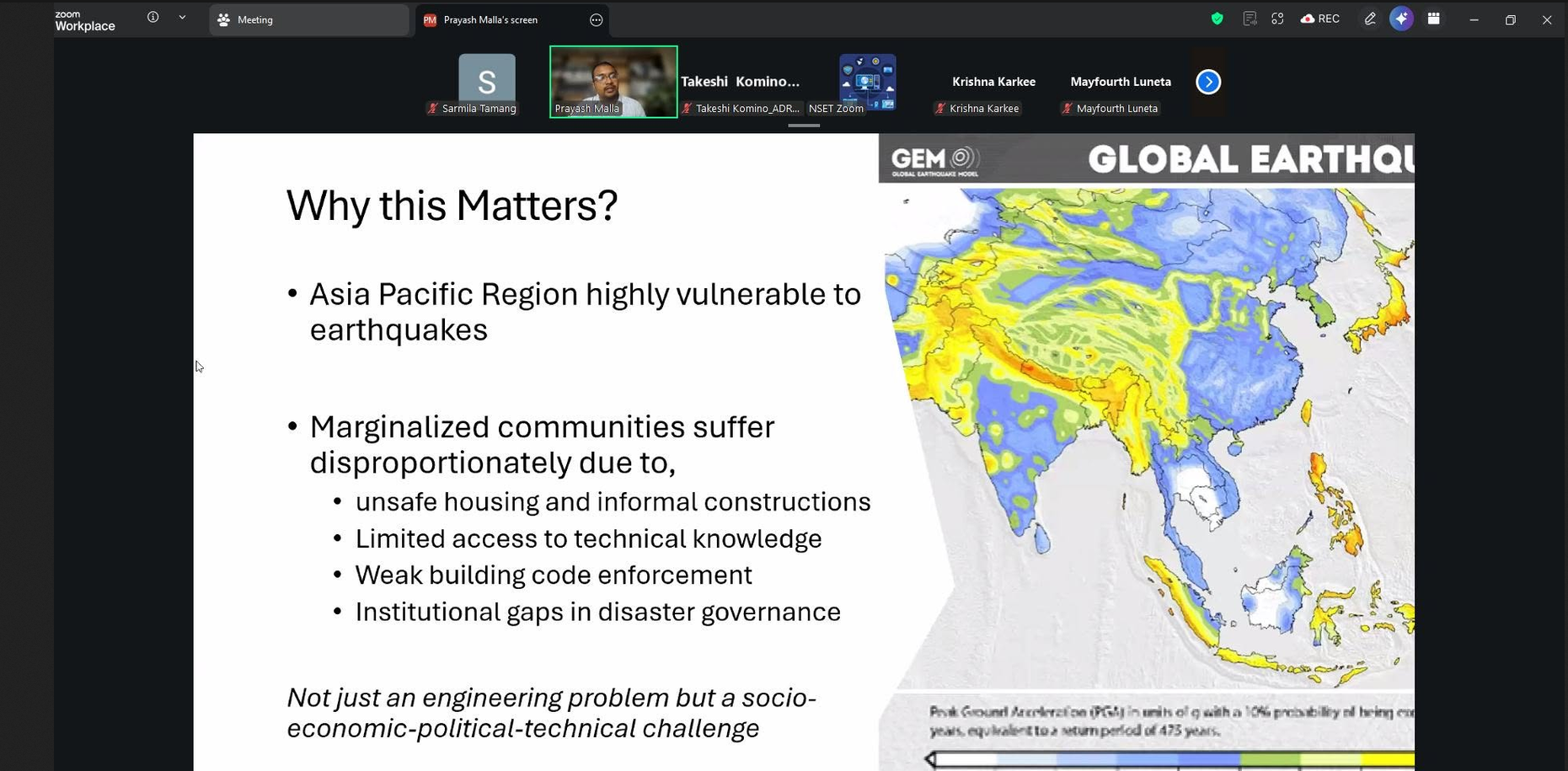
The Asia-Pacific Region is highly vulnerable to earthquakes, threatening lives, livelihoods and the built environment of the communities residing there. While numerous efforts have been made in disaster preparedness and response, marginalized communities continue to suffer disproportionately due to unsafe housing practices, lack of knowledge and skills and institutional gaps. So, there is a need for community-based, participatory approaches that go beyond traditional engineering solutions.
Realizing this gap, the Asian Disaster Reduction and Response Network (ADRRN) established the Earthquake Risk Management (ERM) Hub, led by NSET to promote collaborative actions for earthquake safety. The ERM Hub aims to promote seismic resilience among marginalized communities in earthquake prone ADRRN countries through a multi-phased initiative.
OBJECTIVES
-
Initiate regional dialogue and awareness.
-
Develop and distribute context-specific learning materials.
-
Build capacity of local engineers and community practitioners through training: Earthquake Safety Start-up Package (ESSP), Earthquake Risk Reduction and Management (ERRM).
-
To demonstrate seismic retrofitting or construction techniques.
-
To conduct research and create communication strategies.
-
To establish a regional training ecosystem under the ADRRN ERM Hub framework.
-
To document and share learnings.
Key Partner and Stakeholder:
Center for Disaster Preparedness (CDP) and Tao Philipinas, Philippines
STAR Foundation (Azad Jammu & Kashmir) and Foundation for Rural Development FRD (Khyber Pakhtunkhwa)
Key Activities
Phase 1: Advocacy and Capacity Building Phase
-
Regional webinar and member engagement
Two regional webinars are organized to introduce the initiative, for gathering interest and identifying potential implementing partners as NSET’s counterpart.
-
Capacity building
Two capacity building programs are planned to be conducted in the working area of the interested ADRRN member organization, with the ERM hub as the technical lead and the
selected member organizations for local implementation:
-
Earthquake Safety Start-up Package (ESSP): Training for engineers, architects and technical professionals on seismic risk, earthquake-resistant design and construction and retrofitting concept. The course will help to develop local leaders and champions for promoting safer construction technologies.
-
Earthquake Risk Reduction and Management (ERRM): Training for community practitioners, local DRR stakeholders and masons. This course will provide an overview of seismic safety and applicable technologies.
-
Customized learning and communication materials: Context-specific training and learning materials will be developed. Likewise, communication and advocacy materials will also be created and disseminated.
Phase 2: Implementation and Documentation
-
Demonstration and research
-
Training for local masons and builders in earthquake-safe construction.
-
Identification and retrofitting of a vulnerable small building as a model demonstration for awareness and skill transfer using low-cost techniques.
-
Research barriers and enablers to resilient housing.
-
Design and disseminate communication strategies targeting demand and policy influence.
-
Ecosystem building and documentation of learnings
-
Institutionalize training and develop a network of local trainers.
-
Document outcomes, produce multimedia stories, and publish technical briefs.
KEY HIGHLIGHTS
-
ERRM Community Orientation for Facilitators in Pakistan
On June 3, 2026, the ERM Hub conducted a targeted ERRM orientation session for potential community facilitators selected from STAR Foundation (AJK) and Foundation for Rural Development (FRD, KPK). This session prepared facilitators to conduct community-level earthquake risk reduction and management orientations in their respective areas of Khyber Pakhtunkhwa and Azad Jammu & Kashmir.
Content covered included seismicity and seismic risk in Pakistan’s context, earthquake-resistant design principles applicable to local stone masonry and mud construction, low-cost retrofitting techniques including lintel banding and corner stitching, household preparedness planning, and facilitation methodology for community ERRM delivery.
This activity directly bridges Hub-level capacity building to community-level outreach. The oriented facilitators represent a multiplier mechanism to reach households in high-risk remote areas of Pakistan beyond formal project boundaries.
-
9th Asia Conference on Earthquake Engineering
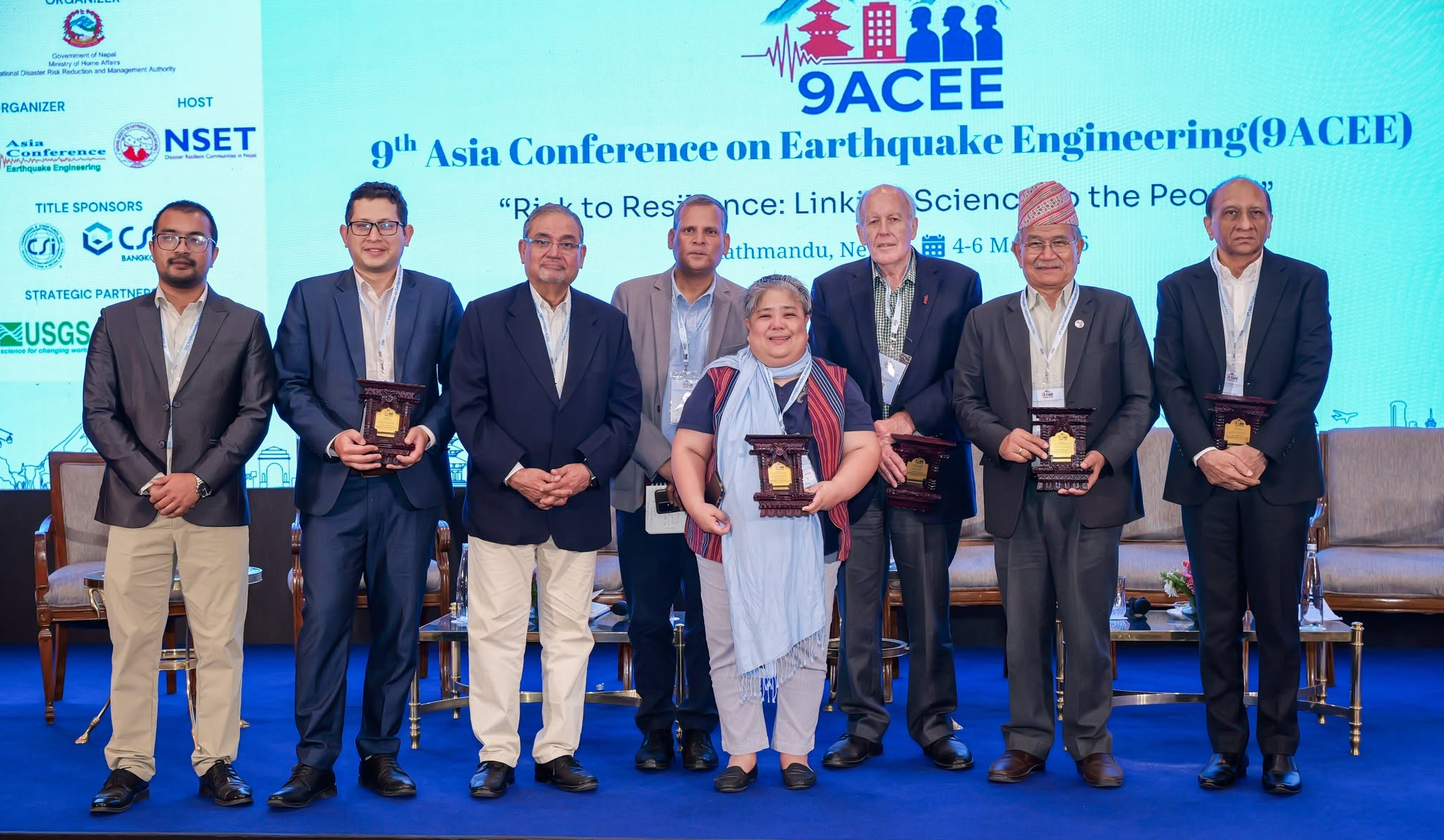
On May 6, 2026, the ADRRN ERM Hub organized a dedicated hybrid panel session at the 9th Asia Conference on Earthquake Engineering (9ACEE) in Kathmandu, Nepal, titled “Frontline CSOs and Researchers: Stronger Together for Last-Mile Earthquake Resilience.” The conference theme “Risk to Resilience: Linking Science to the People” provided a fitting platform for this session, which placed community-based disaster risk management in direct dialogue with the academic and engineering community.
Panelists representing CSO, NGO, INGO, private sector, local government, and engineering research perspectives participated in a facilitated discussion moderated by the ERM Hub.
-
Knowledge Exchange Workshop between the ERM and CBDRRM Hubs
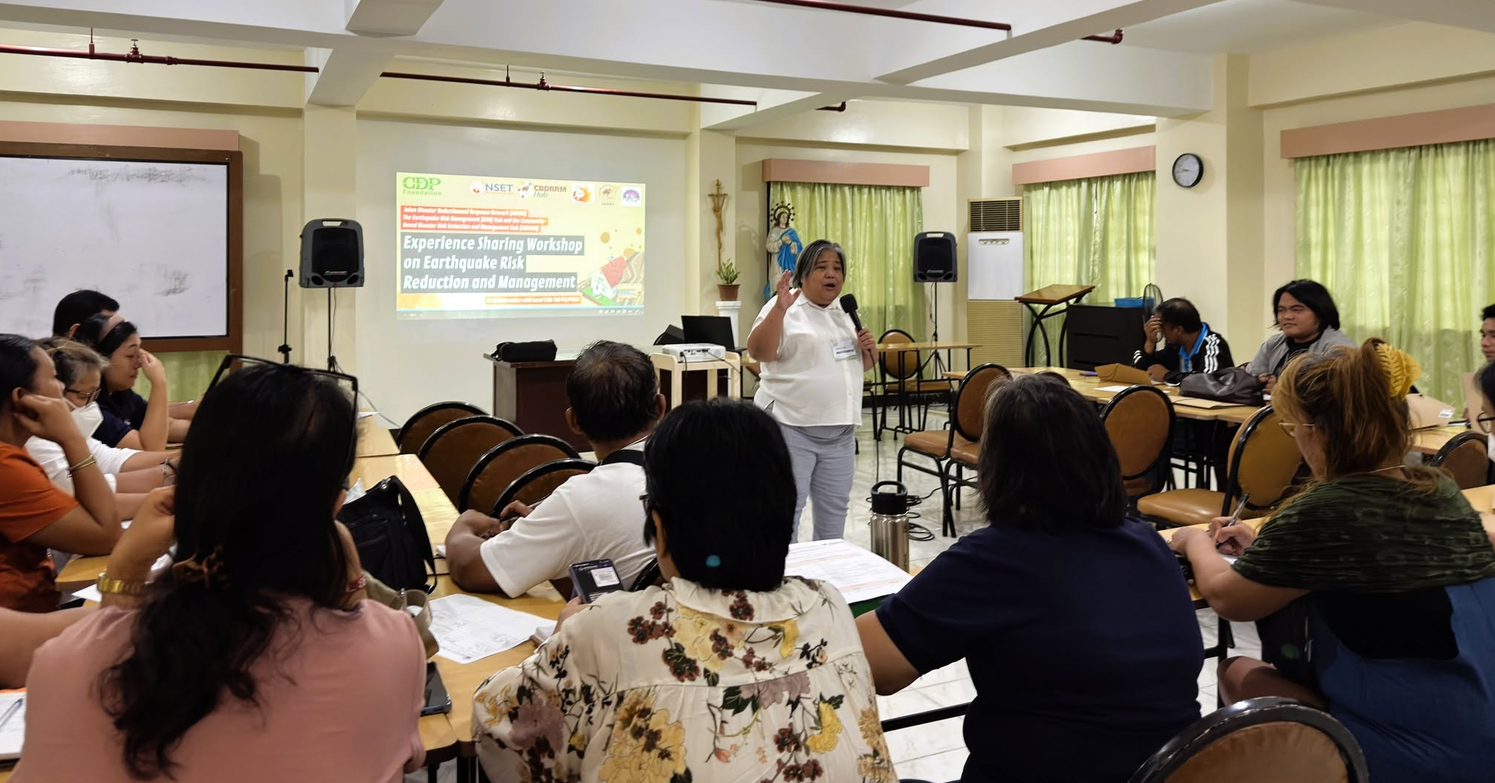
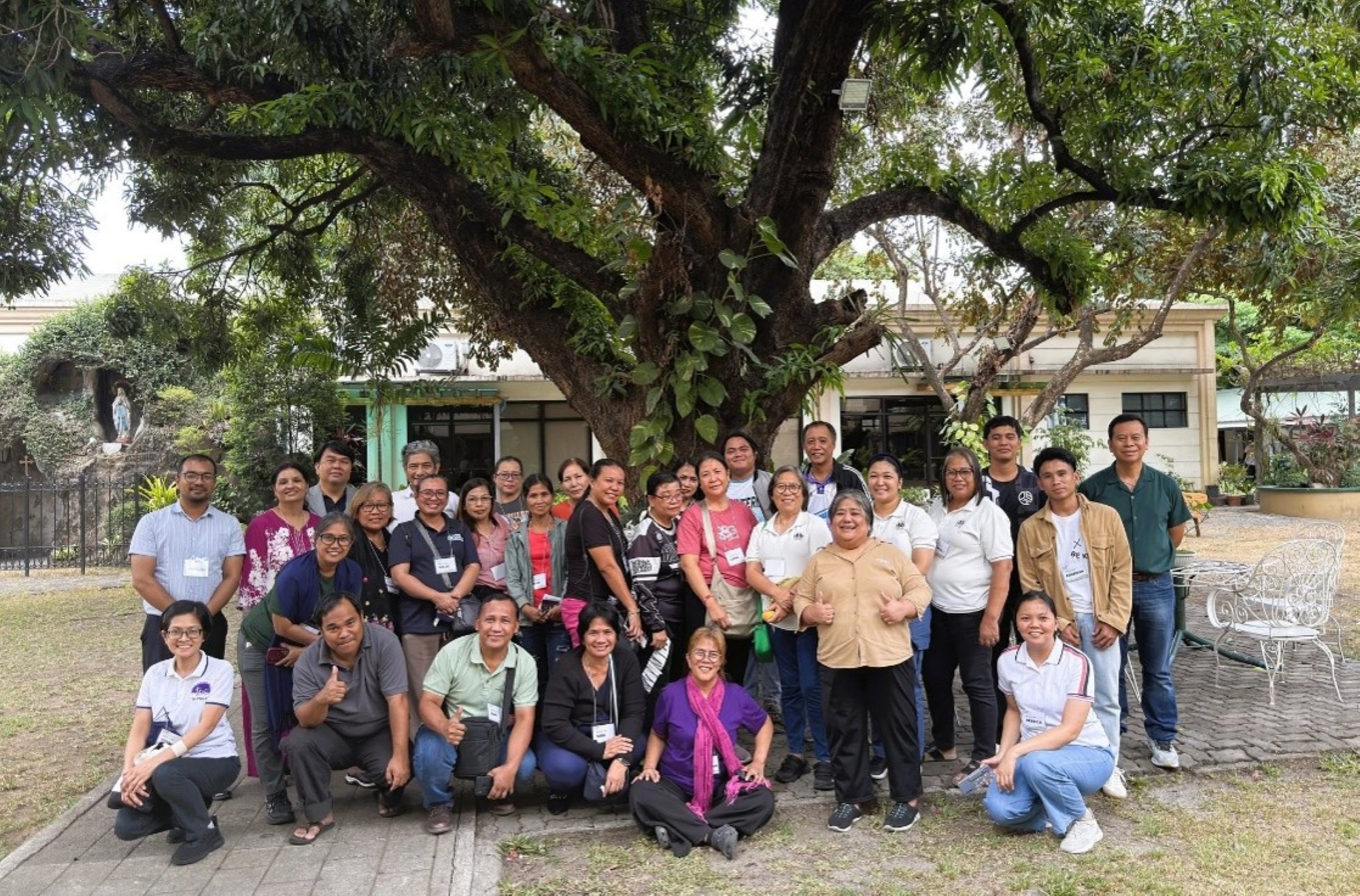
In April 2026, the Earthquake Risk Management (ERM) Hub and the Community-Based Disaster Risk Reduction and Management (CBDRRM) Hub hosted by the Center for Disaster Preparedness (CDP), Philippines, jointly organized a two-day in-person Experience Sharing Workshop in Quezon City. The workshop was implemented in strategic partnership with TAO Pilipinas and local civil society organizations. Participants from diverse professional backgrounds participated, including engineers, architects, urban planners, community practitioners, government officials, academics, and social development workers, reflecting a deliberate effort to ensure cross-sectoral dialogue. Local experts from TAO Pilipinas, Build Change, UP College of Engineering, and Mapua University led the majority of sessions, with NSET providing technical inputs on Nepal’s experiences in retrofitting and earthquake-resistant construction. The workshop brought together community leaders, engineers, local government representatives and practitioners under one platform to share lessons on earthquake recovery, safer construction, resilient housing, and community-centred risk reduction. It concluded with a strong and unified commitment among all participants to foster continued collaboration and partnership toward resilient and safe housing for all.
-
Engineers’ Training on Earthquake Safety Startup Package (ESSP) for Pakistan
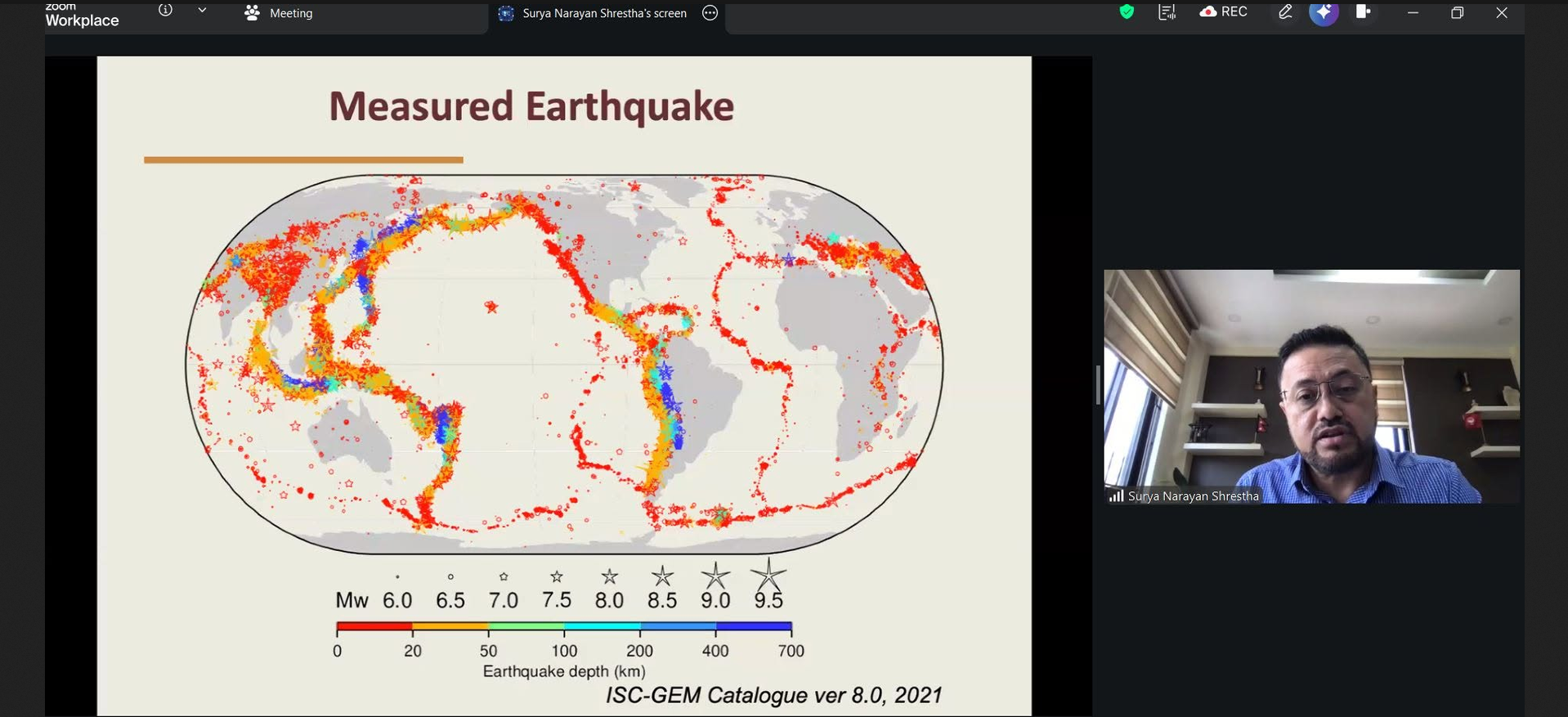
The ERM Hub conducted an online Engineers’ Training on Earthquake Safety Startup Package (ESSP) on April 13, 15, 16, and 20, 2026, jointly organized with STAR Foundation (Azad Jammu & Kashmir) and Foundation for Rural Development FRD (Khyber Pakhtunkhwa). The training reached participants from across Peshawar and Chitral (KPK), Rawalakot, Harighel, and Bagh (AJK), Rawalpindi (Punjab), and Islamabad including engineers, architects, government officials, UN professionals, and social scientists. Three modules were covered in the training: Seismicity and Seismic Risk; Earthquake-Resistant Design and Construction; and Retrofit of Buildings with Case Studies.