
 Donation
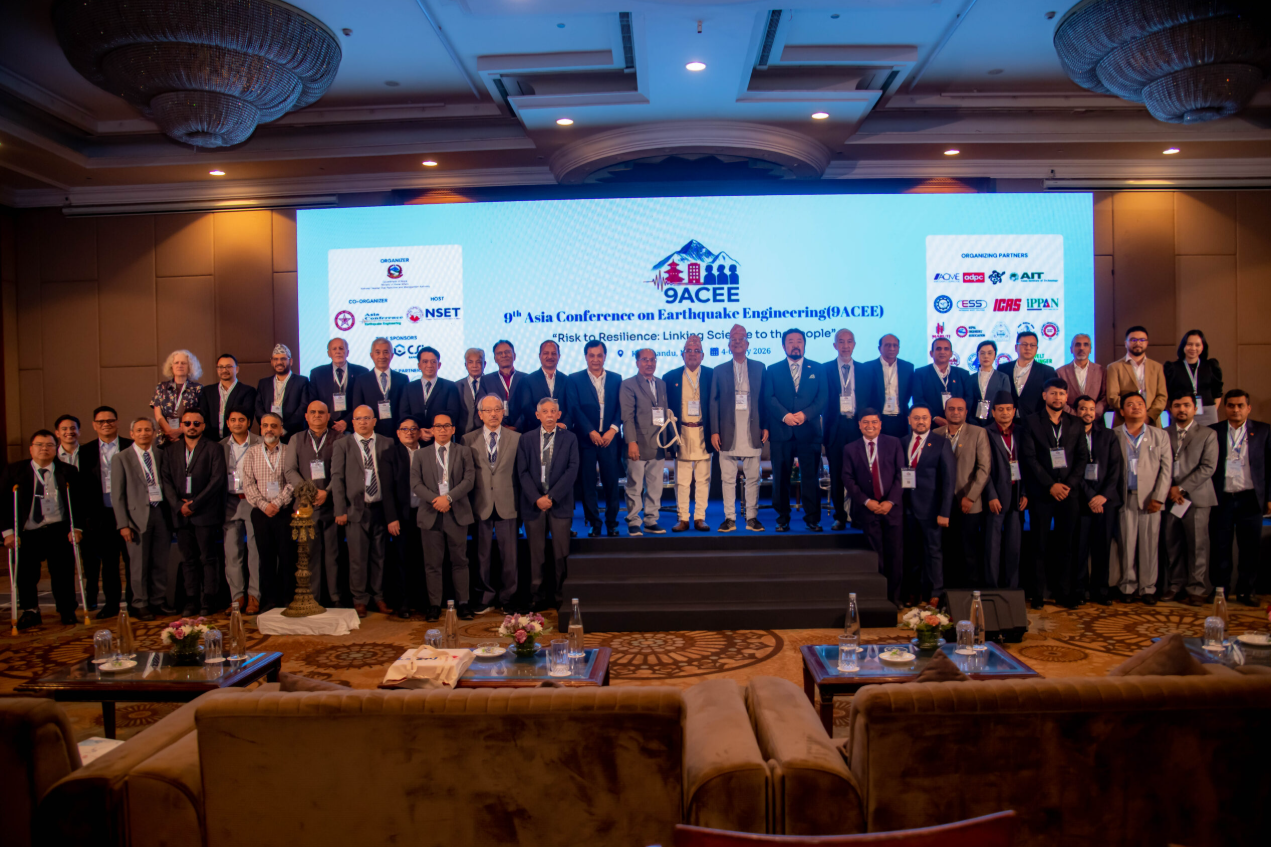
9th Asia Conference on Earthquake Engineering (9ACEE)
Conference Overview
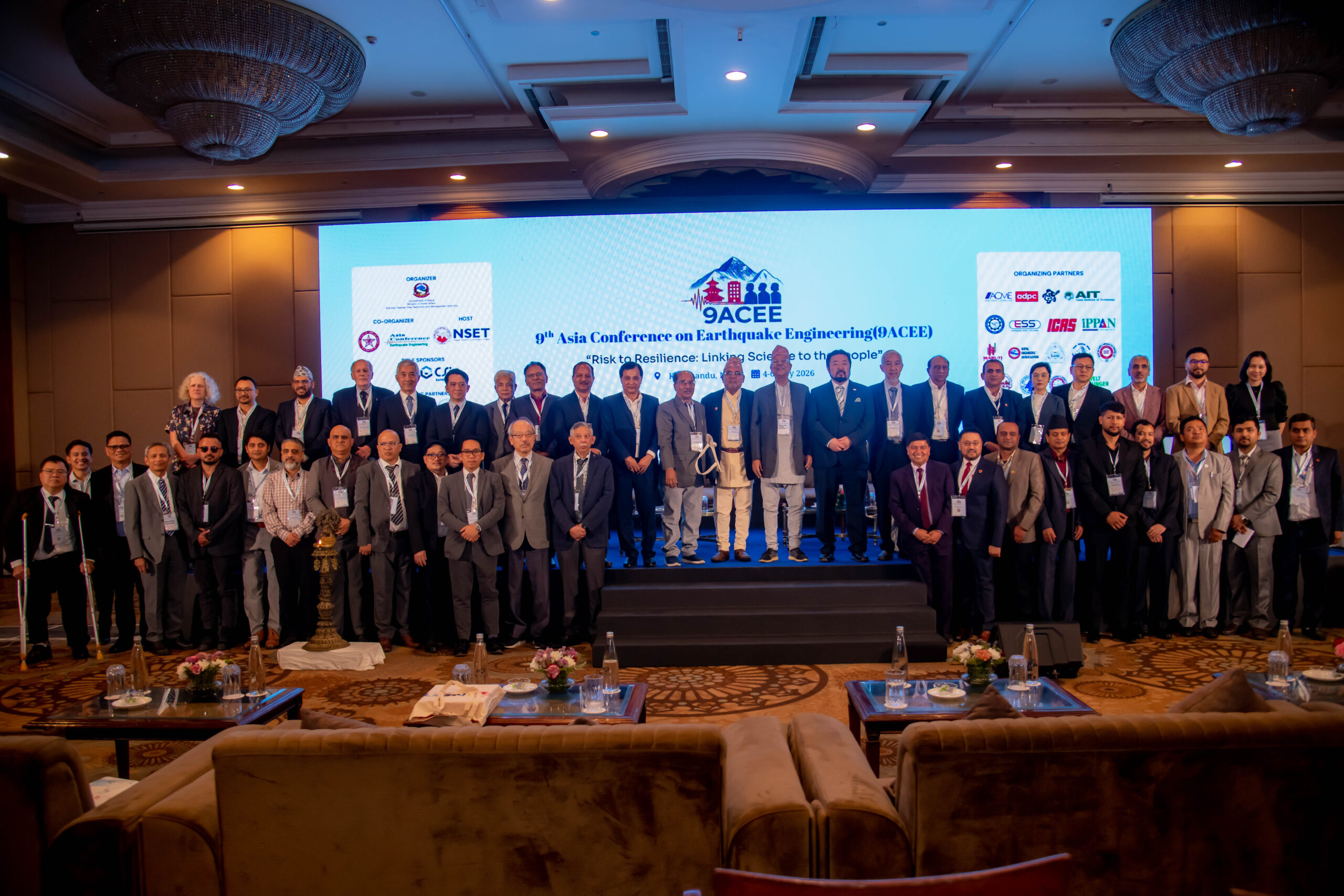
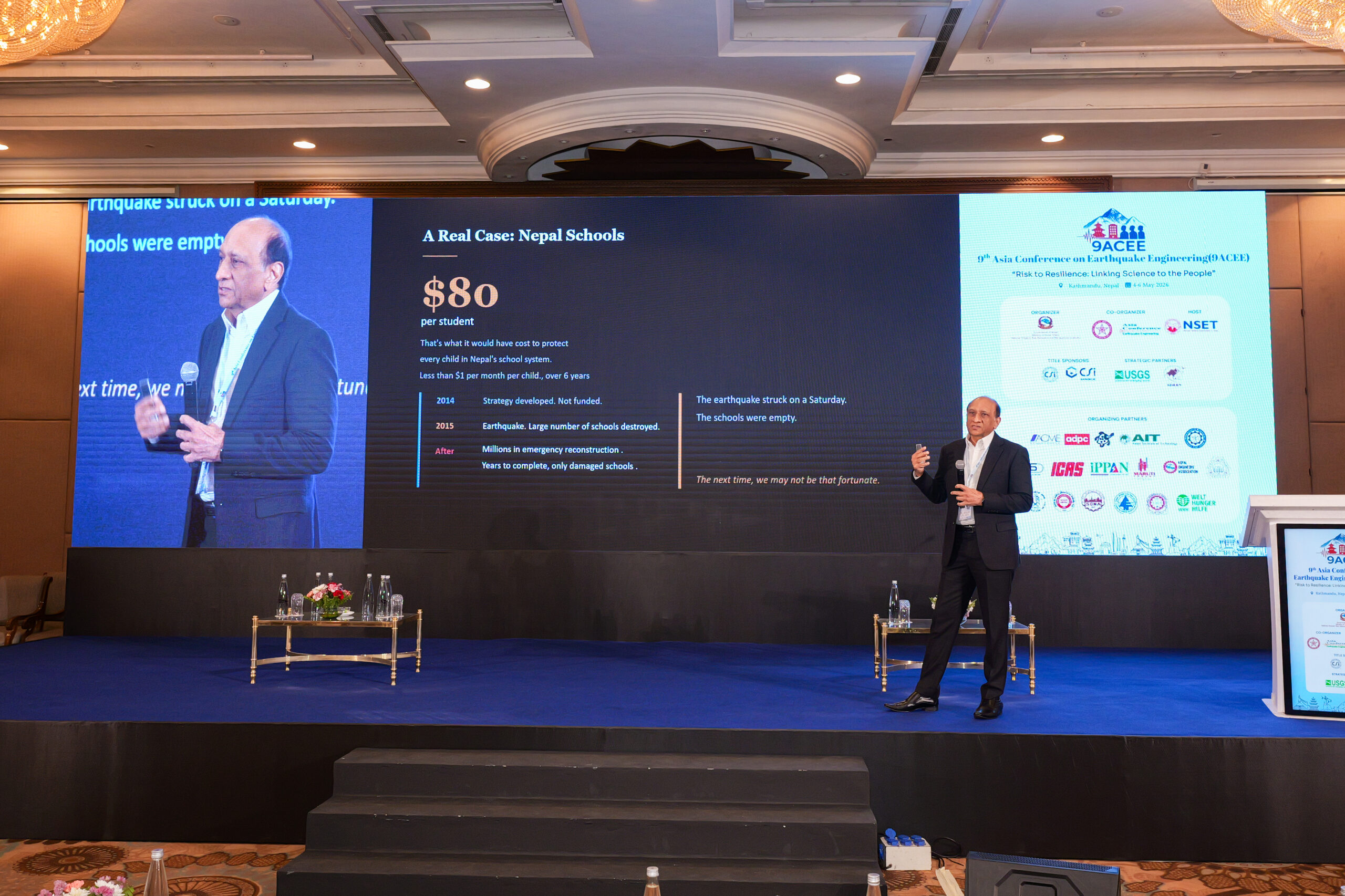
The 9th Asia Conference on Earthquake Engineering (9ACEE) was successfully held in Kathmandu, Nepal, from 4–6 May 2026, under the theme “Risk to Resilience: Linking Science to the People.” The conference served as a premier regional platform for advancing knowledge, innovation, and collaboration in earthquake engineering and disaster resilience.
The conference was organized by the National Disaster Risk Reduction and Management Authority (NDRRMA), co-organized by the Nepal Academy of Science and Technology (NAST) and the Asia Conference on Earthquake Engineering (ACEE) and hosted by the National Society for Earthquake Technology–Nepal (NSET). The event was sponsored by Computer Sponsorship Inc. (CSI) and supported by strategic partners, including the U.S. Geological Survey (USGS) and the Asian Disaster Reduction and Response Network (ADRRN), together with several national and international organizing partners.
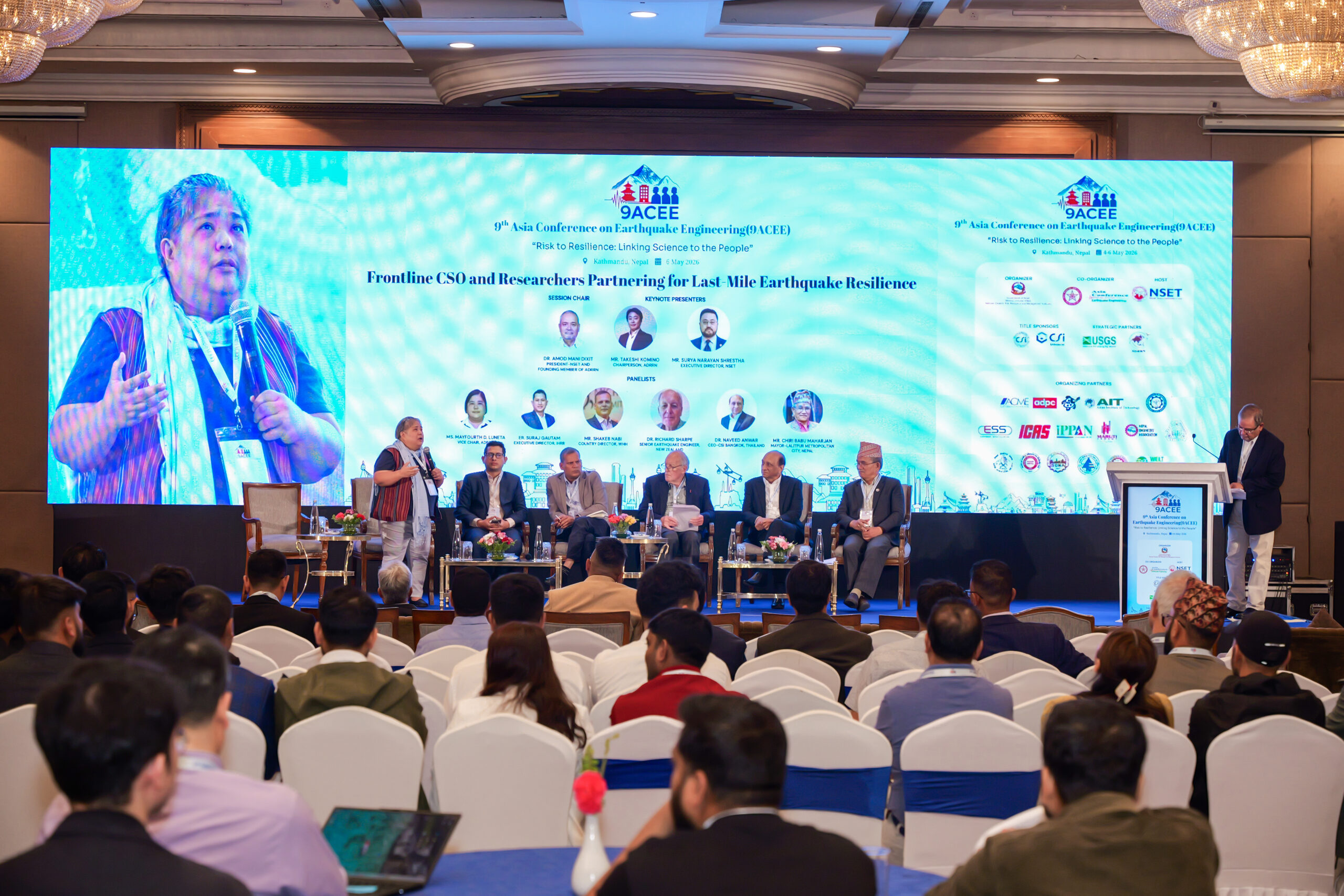
Bringing together 228 participants from 13 countries, the three-day conference provided an important forum for researchers, engineers, practitioners, policymakers, industry representatives, and students to exchange knowledge, share innovations, and strengthen regional collaboration in earthquake risk reduction. The conference also included a field excursion to Bhaktapur, where participants observed Nepal’s post-2015 earthquake reconstruction efforts, heritage conservation, and resilient building practices, providing valuable insights into the practical application of earthquake engineering and disaster resilience.
Objectives
- Provide a regional platform for knowledge exchange among researchers, engineers, practitioners, policymakers, and students.
- Showcase the latest advancements, innovative technologies, and best practices in earthquake engineering and disaster risk reduction.
- Highlight Nepal’s experiences and lessons in earthquake resilience and post-earthquake reconstruction.
- Strengthen regional and international collaboration among academia, government, professional organizations, and development partners.
- Promote innovative and evidence-based approaches to reducing earthquake risk across the Asia-Pacific region.
- Foster professional networks and support the next generation of earthquake engineering professionals.
Technical Program Overview
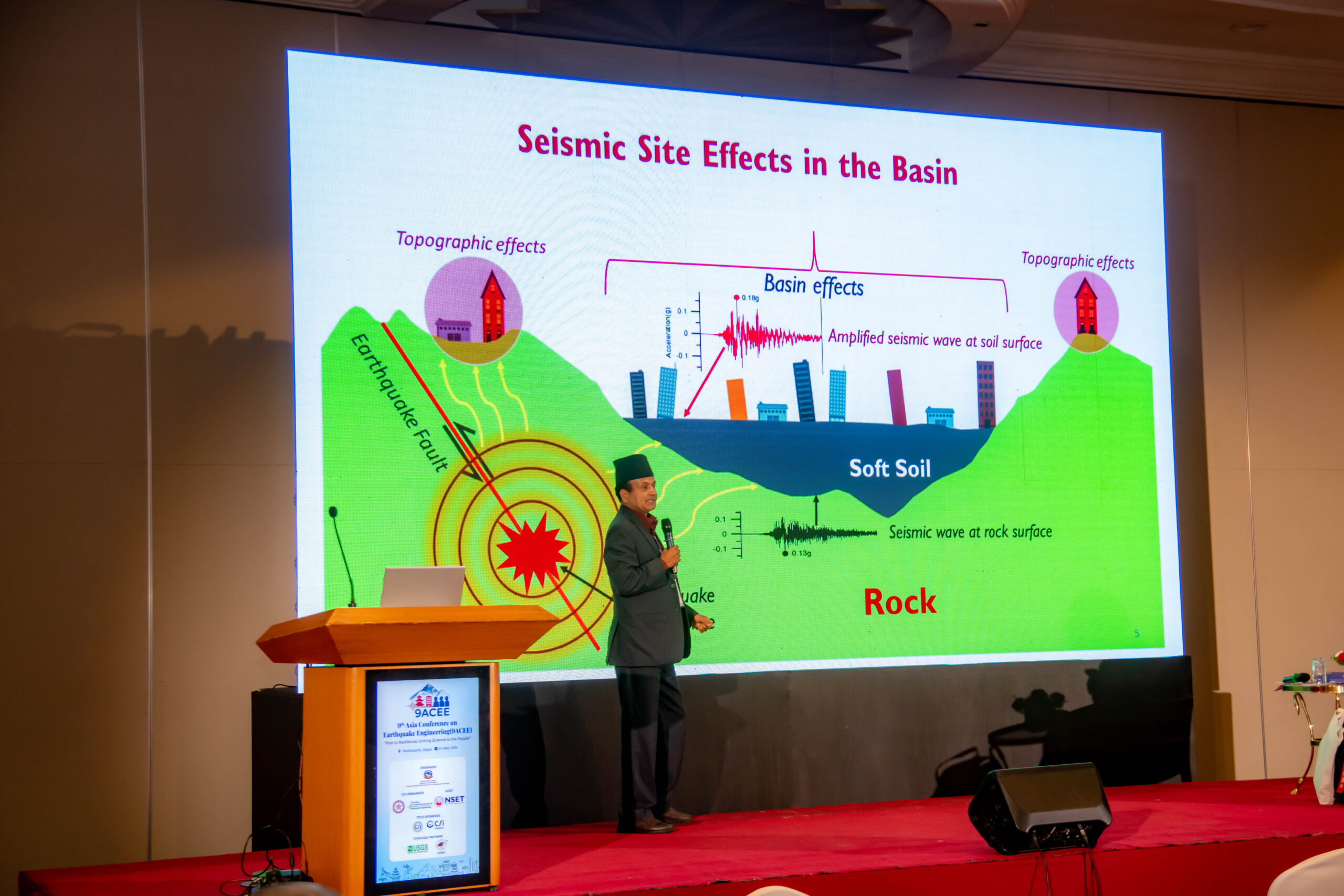
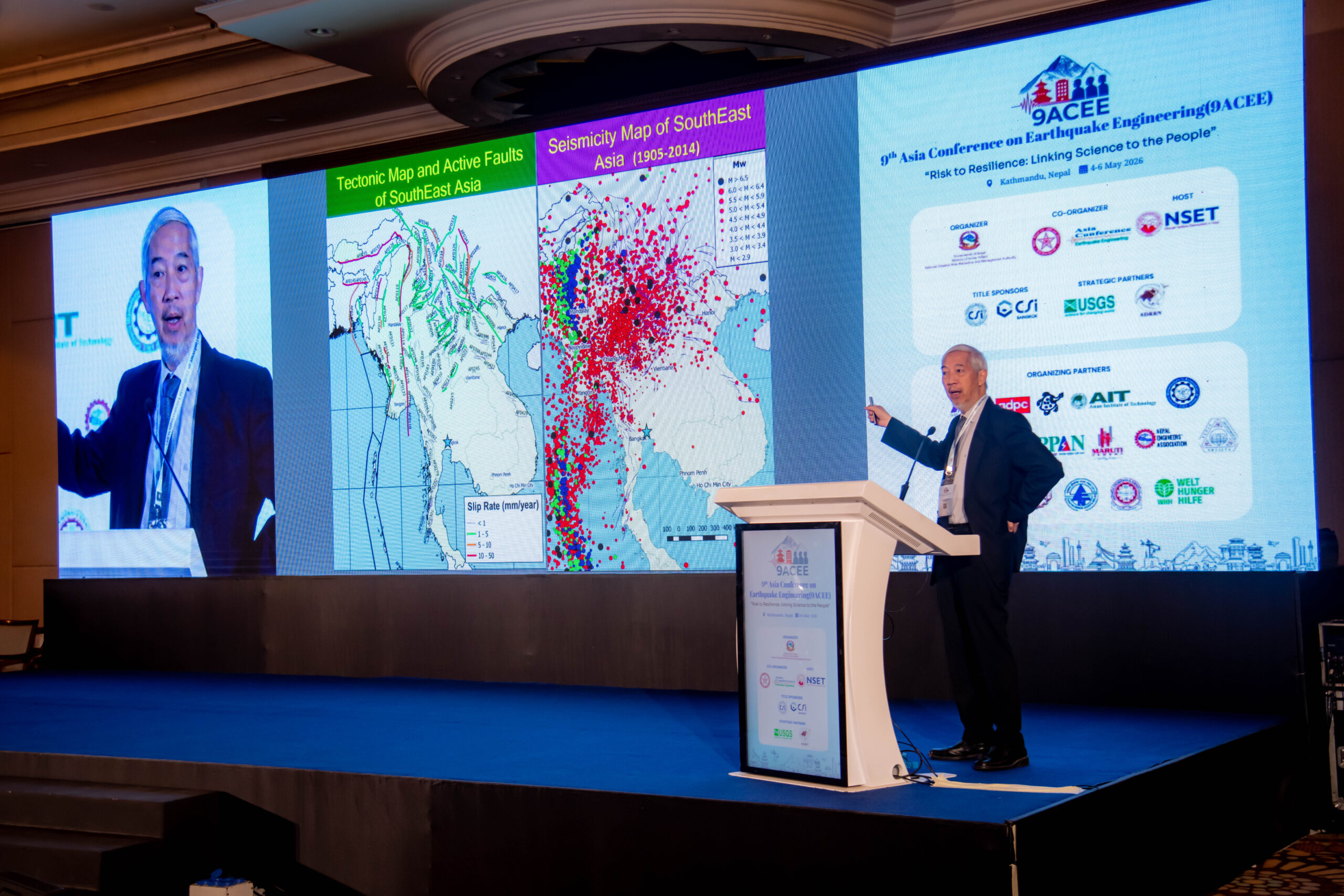
The conference featured a rich and diverse technical program comprising 20 sessions and more than 108 presentations. The program included:
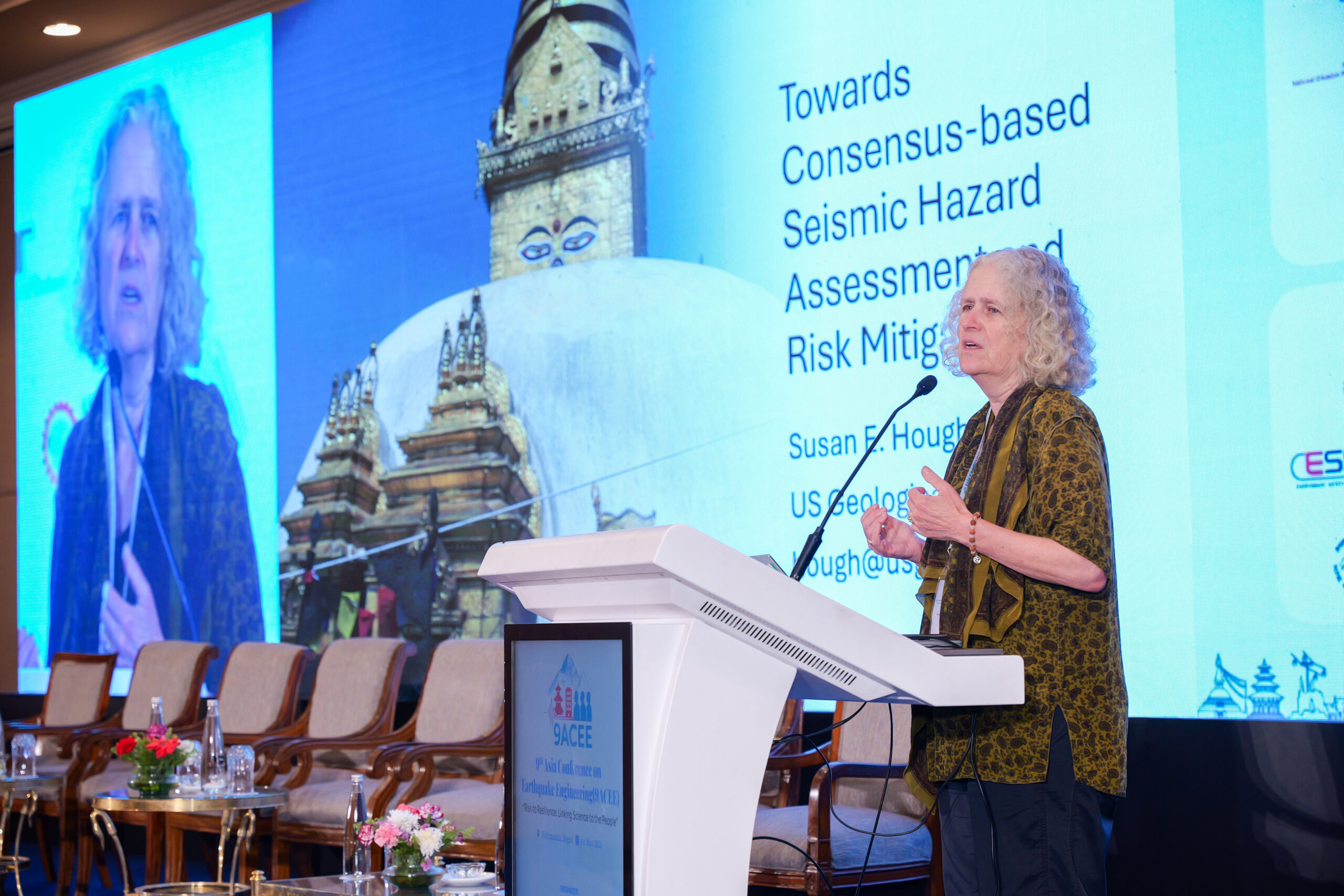
- 6 Keynote Presentations delivered by internationally renowned experts.
- 2 Special Sessions focusing on emerging topics and regional priorities.
- 3 Special Presentations addressing critical issues in earthquake engineering and disaster resilience.
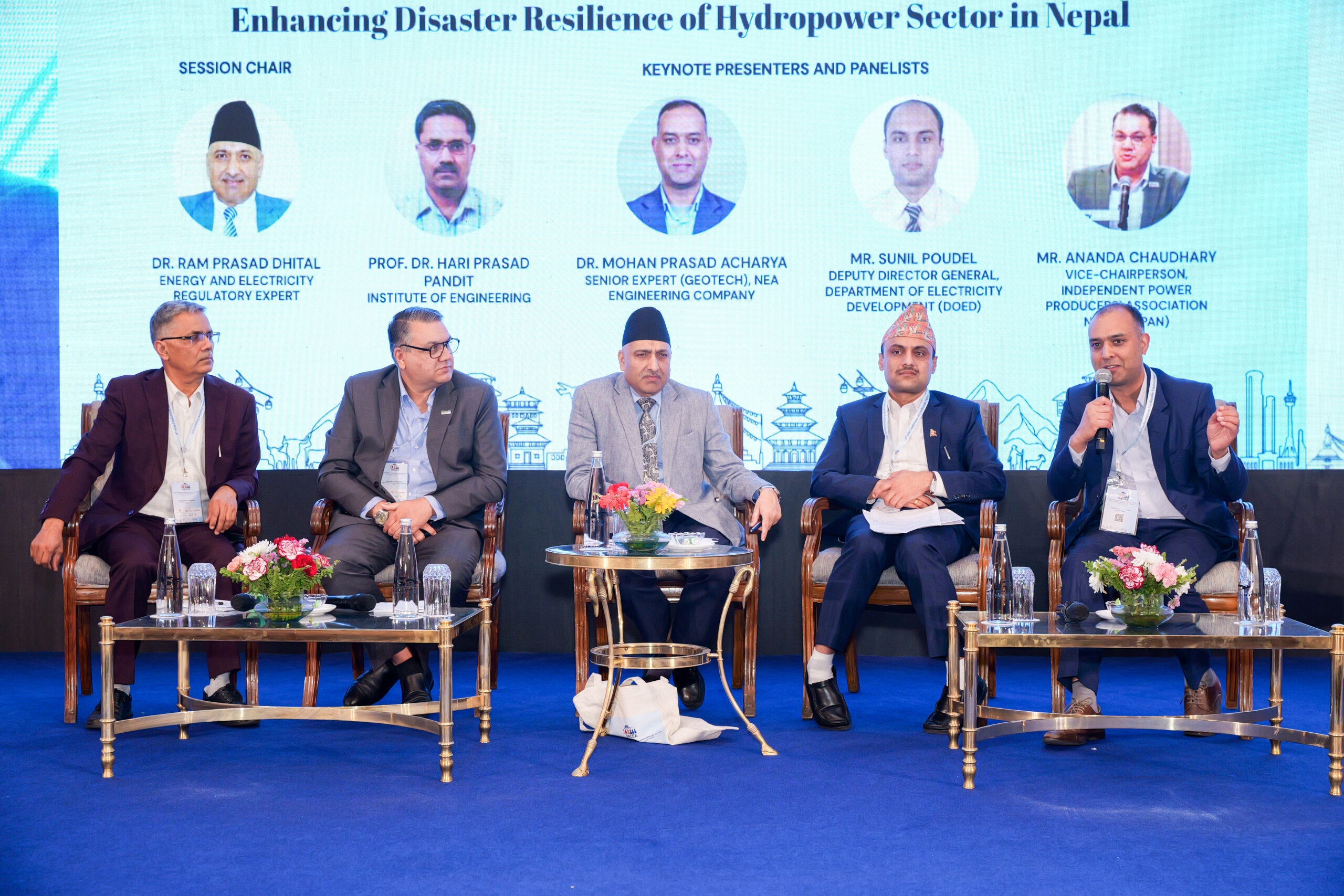
- 2 Panel Discussions promoting dialogue among experts from academia, government, and industry.
- 23 Invited Speaker Presentations sharing regional experiences, research findings, and innovative practices.
- More than 70 Oral Presentations showcasing cutting-edge research, engineering applications, and case studies from across the Asia-Pacific region.
The conference program provided participants with valuable opportunities to exchange knowledge, discuss current challenges, and explore innovative solutions for building safer and more resilient communities.
Participant Demographics
The conference attracted 228 participants representing 13 countries, reflecting broad regional and international engagement.
- Countries represented: Nepal, Japan, Philippines, Taiwan, Thailand, India, New Zealand, Sri Lanka, Republic of Korea, South Korea, China, Pakistan, and the United States.
- Gender distribution: 189 male participants (83%) and 39 female participants (17%).
- Professional profile: 168 professionals and 60 students.
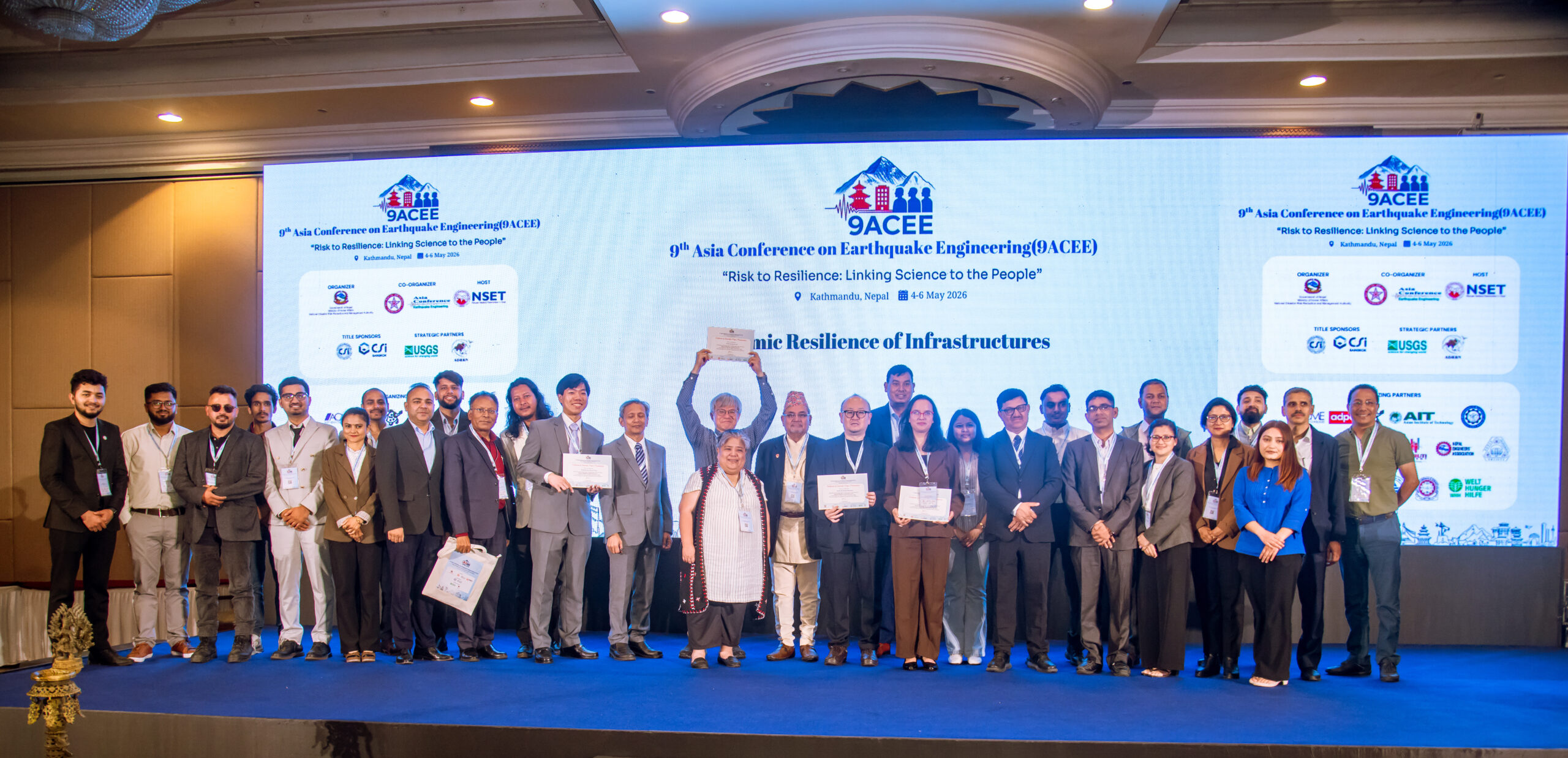
- Student engagement: 16 students presented technical papers, demonstrating strong participation by emerging researchers and future earthquake engineering professionals.
The diverse participation fostered interdisciplinary learning, networking, and collaboration among experts, practitioners, researchers, government officials, industry representatives, and students.
Key Insights and Conclusion
- Strong Regional Collaboration: The conference brought together 228 participants from 13 countries, strengthening regional cooperation and knowledge exchange in earthquake engineering and disaster resilience.
- Comprehensive Technical Program: A total of 20 technical sessions featuring 108+ presentations, including keynote lectures, invited talks, special sessions, panel discussions, and oral presentations, provided a robust platform for sharing the latest research and innovations.
- Showcasing Nepal’s Expertise: The conference highlighted Nepal’s experiences and achievements in earthquake engineering, post-earthquake reconstruction, disaster risk reduction, and resilience building, offering valuable lessons for the Himalayan region and beyond.
- Knowledge Exchange Across Sectors: Researchers, practitioners, policymakers, industry professionals, and development partners engaged in interdisciplinary discussions on resilient infrastructure, seismic risk assessment, preparedness, and recovery.
- Industry Engagement: Eight exhibition stalls showcased innovative technologies, engineering solutions, and products supporting earthquake engineering and disaster risk reduction.
- Promoting Future Professionals: The participation of 60 students, including 16 student paper presenters, demonstrated the conference’s commitment to nurturing the next generation of earthquake engineering professionals.
- Strengthened Partnerships: The conference fostered new collaborations among academic institutions, government agencies, professional societies, development organizations, and industry partners, creating opportunities for future research and technical cooperation.
The 9th Asia Conference on Earthquake Engineering (9ACEE) successfully advanced regional collaboration, scientific knowledge, and professional networking in earthquake engineering and disaster resilience. By bringing together diverse stakeholders from across the Asia-Pacific region, the conference reinforced the importance of translating research into practice and promoting risk-informed approaches to building safer and more resilient communities.
More Details: https://9acee.nset.org.np/