
 Donation


This project aims to strengthen Nepal’s capacity for seismic hazard assessment and earthquake risk mitigation through continued collaboration between the National Society for Earthquake Technology (NSET), Nepal, and the United States Geological Survey (USGS). Building on successful partnerships formed after the 2015 Gorkha earthquake, the project focuses on institutionalizing seismic hazard studies in Nepal by supporting the establishment of a National Probabilistic Seismic Hazard Assessment (PSHA) Program.
The project will enhance seismic data collection, support the development and updating of seismic hazard models, and build the technical capacity of Nepali institutions and professionals. Through joint planning, training, consortium development, and international engagement, the project will contribute to sustainable, nationally led systems for seismic hazard and risk analysis, supporting informed decision‑making and long‑term earthquake risk reduction in Nepal.
Objectives
The main aim of this collaboration is to work towards formation of National PSHA program in Nepal. The specific objectives are:
-
To collaborate with government agencies and key stakeholders and develop synergies among the stakeholders for institutionalization of seismic studies in Nepal
-
To continue instrumentation and seismic data collection for PSHA studies
-
To enhance capacity of Nepali professionals in PSHA through training courses and participation to meetings and conference.
Key Partner and Stakeholder:
-
United States Geological Survey (USGS)
-
Department of Mines and Geology
-
Academic Institutions
Key Activities
The following are the major activities of this program.
-
Establish a National PSHA consortium led by government agencies with NSET as secretariat
-
Organize annual and scientific meetings for knowledge sharing and consensus building
-
Conduct training and technical capacity building on PSHA and seismic hazard modeling
-
Facilitate international training, study visits, and conference participation
-
Expand and strengthen seismic instrumentation and data collection through the N‑SHAKE network
RECENT HIGHLIGHTS
-
3 May 2026 – Training Workshop on Seismic Hazard Assessment and Aftershock Forecasting
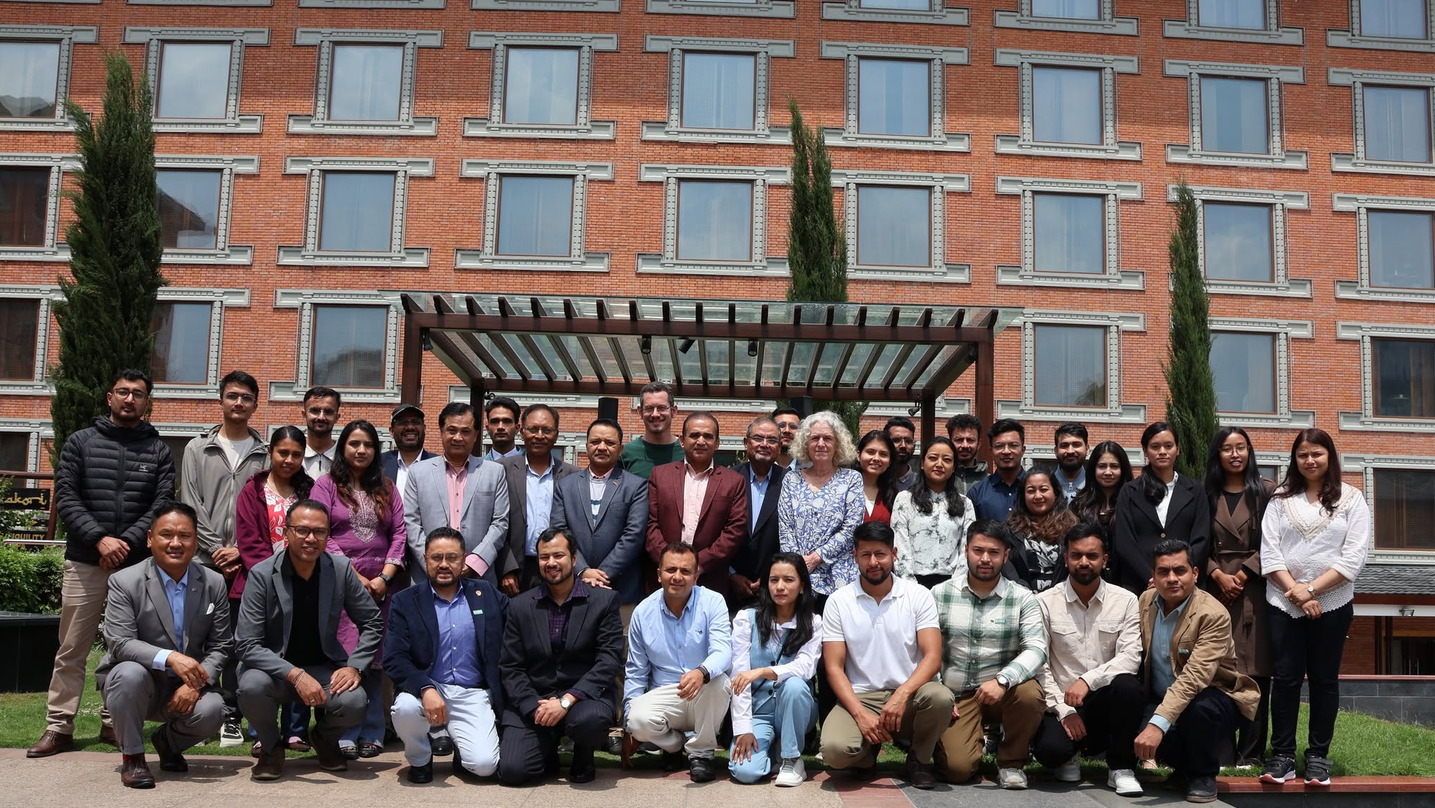
NSET organized a training workshop in Kathmandu on seismic hazard assessment and aftershock forecasting, bringing together participants from the Department of Mines and Geology (DMG), Nepal Academy of Science and Technology (NAST), academia, and the broader earthquake science community. The workshop included technical sessions, hands-on training in aftershock forecasting tools, and discussions aimed at strengthening Nepal’s seismic hazard assessment and forecasting capacity. The event was facilitated by experts from the USGS, including Dr. Susan Hough and Dr. Max Schneider, in collaboration with DMG.
-
4–6 May 2026 – 9th Asian Conference on Earthquake Engineering (9ACEE)
At the 9th Asian Conference on Earthquake Engineering (9ACEE), Dr. Susan Hough, Seismologist and US–South Asia Coordinator at the United States Geological Survey (USGS), delivered the keynote address, “Towards Consensus-based Seismic Hazard Assessment and Risk Mitigation.” Her presentation highlighted collaborative approaches to seismic hazard assessment and underscored the importance of consensus-based strategies for strengthening earthquake risk mitigation.
-
27–29 February 2024 – Workshop on Earthquake Hazard Assessment and Aftershock Forecasting
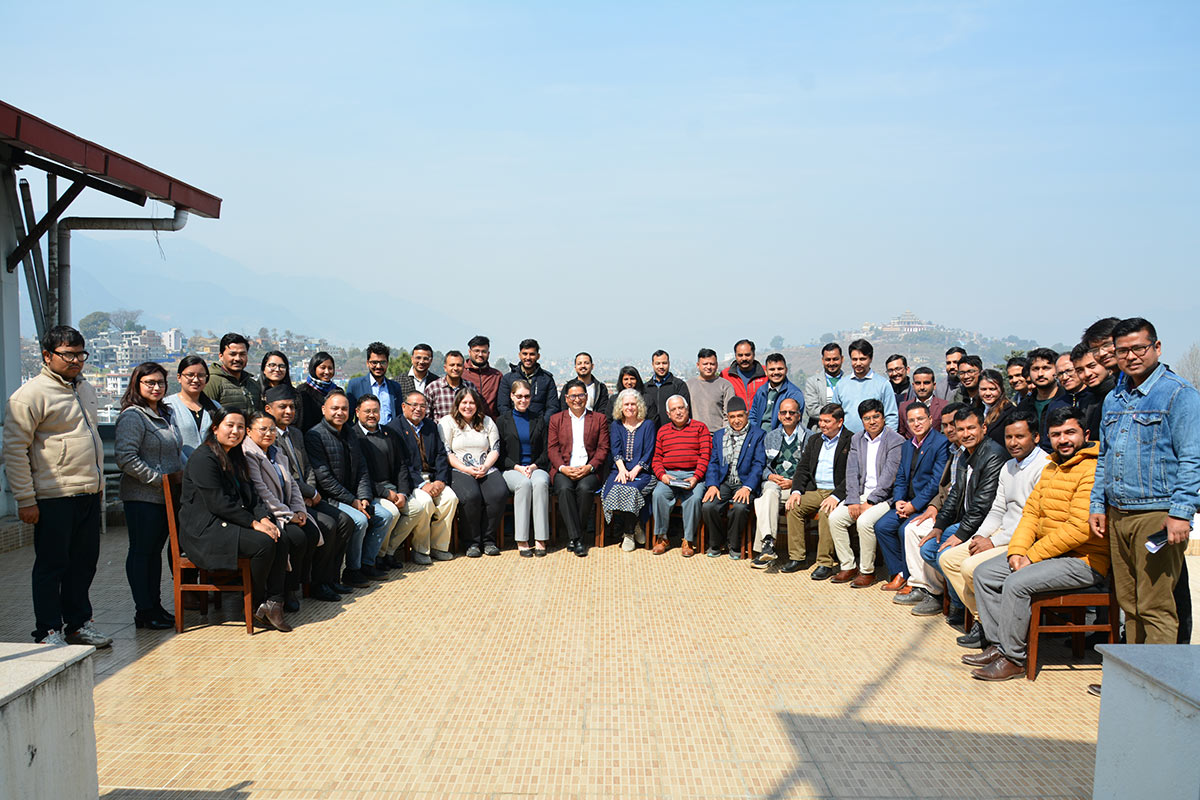
NSET, in collaboration with USGS, USAID/BHA organized a three-day workshop to strengthen Nepal’s capacity in seismic hazard assessment and aftershock forecasting. The workshop brought together experts, researchers, and government agencies to review current practices, promote consensus-based seismic hazard mapping, and identify priorities for improved collaboration, data sharing, and future hazard map updates.