
 Donation
Nepal Localisation Lab
Overview
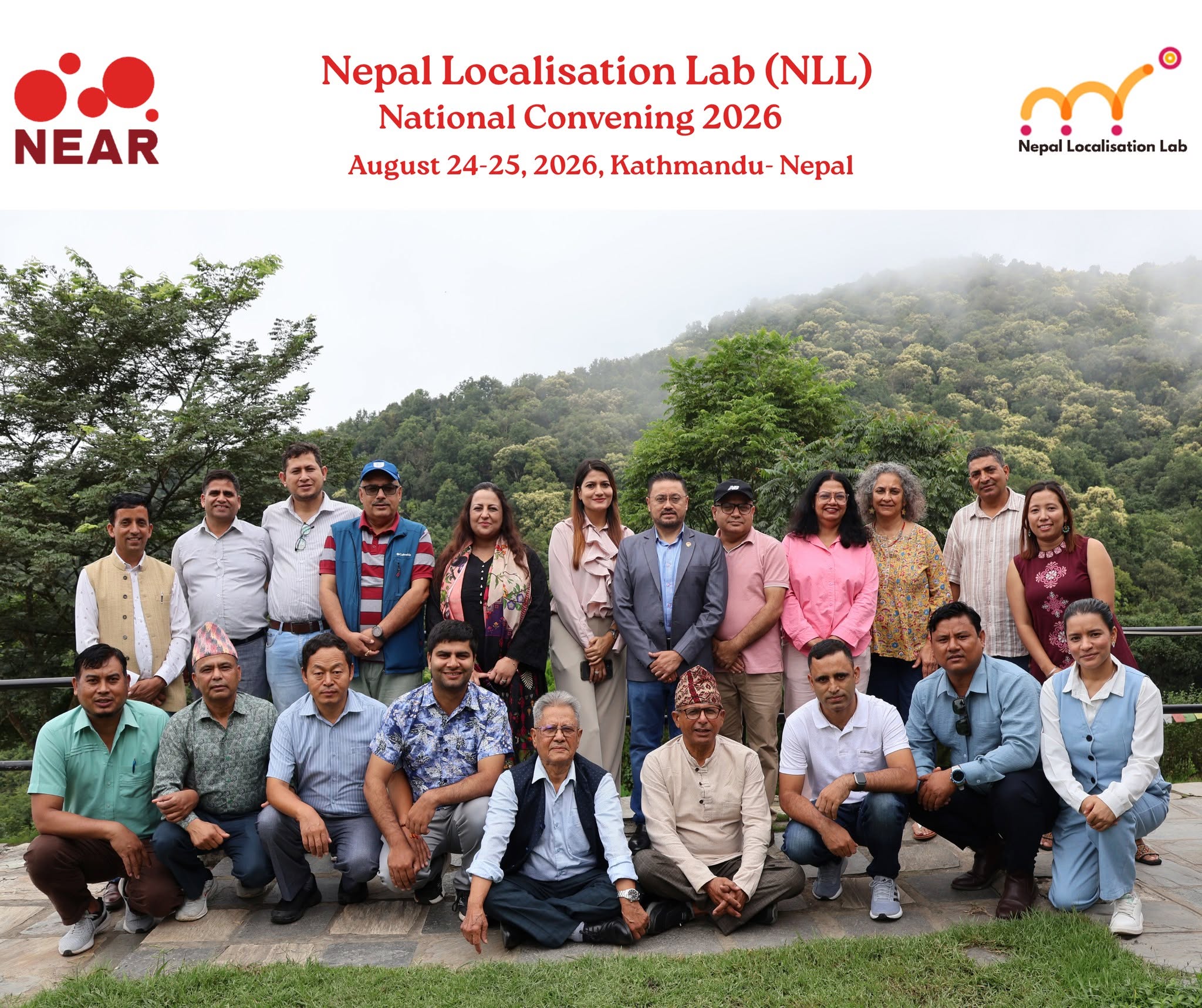
The Nepal Localization Lab (NLL) is endorsed by the NEAR Network, aligning with NEAR Localisation Lab framework and NEAR’s strategic plan for 2024-2026. The Nepal Localisation Lab (NLL) aims to significantly bolster the capacity and influence of local civil society organizations (CSOs) in humanitarian and development action. Our overarching goal is to empower local actors to be the primary decision-makers within Nepal’s humanitarian response ecosystem, fostering inclusive, locally driven solutions that fully address community needs and leveraging local knowledge and expertise to create effective mechanisms for disaster preparedness and response. Further, NLL is a platform for all civil society organizations in Nepal to promote the localization agenda and to share experiences and lessons on aspects of localization.
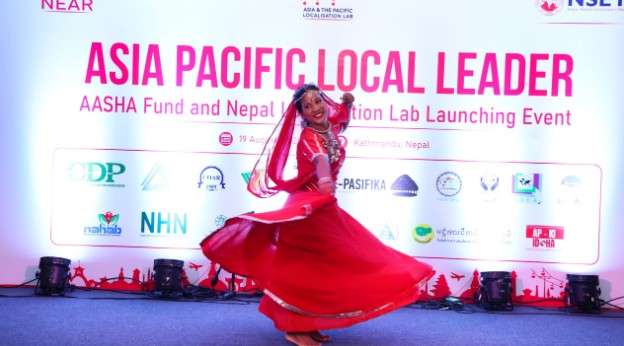
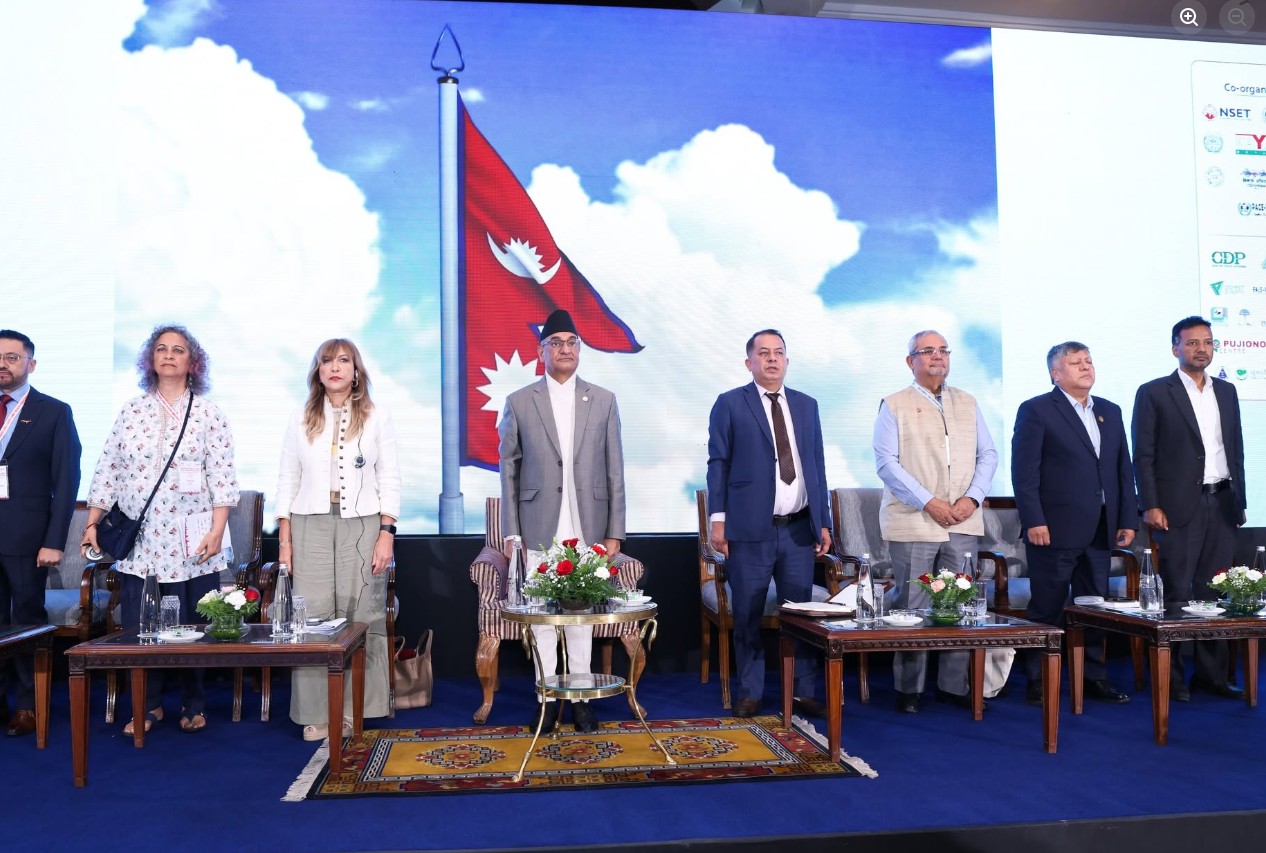
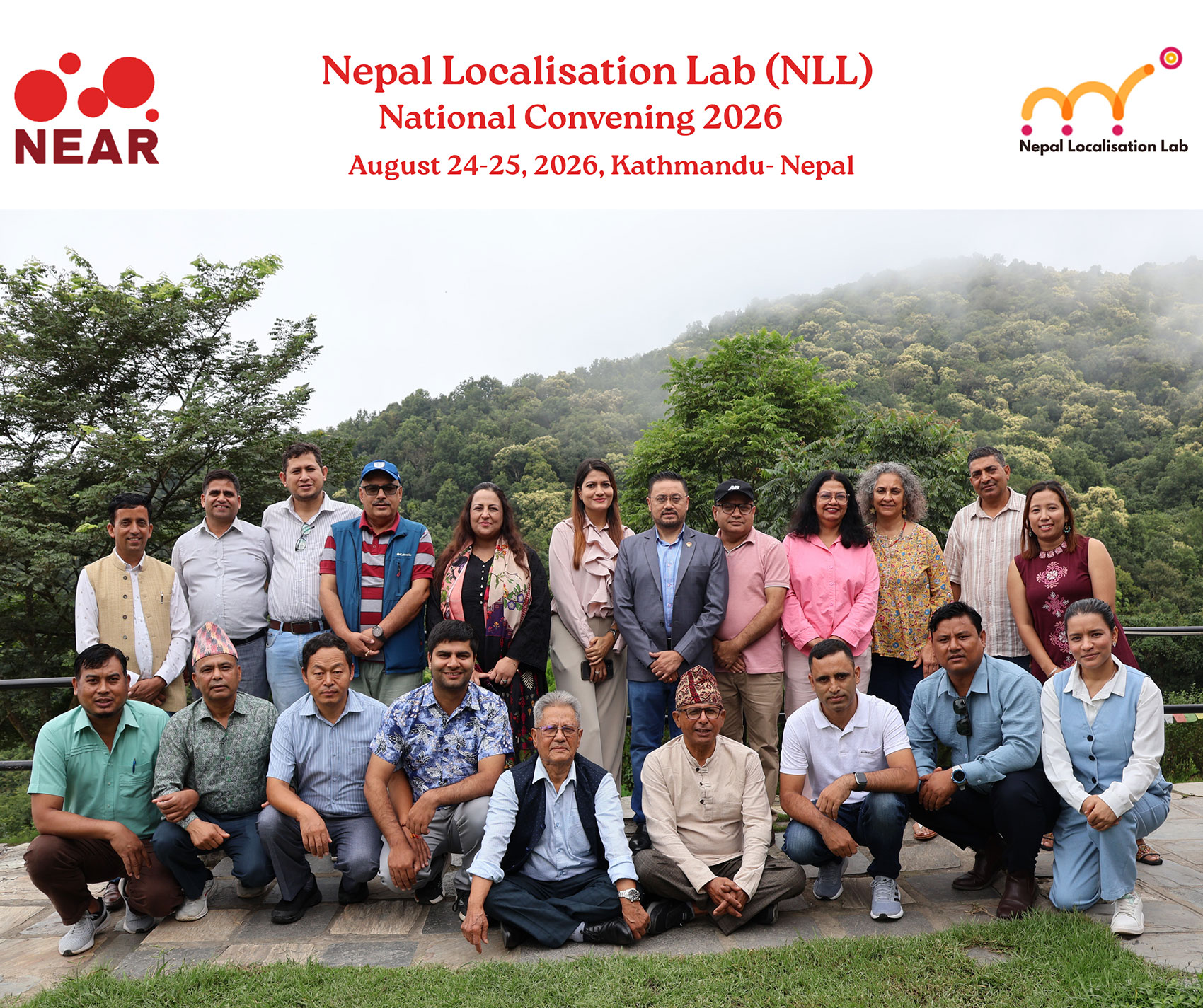
The NLL was formally launched during the Nepal Humanitarian Conference and Asia Pacific Local Leaders (APLL) Summit on 18 August 2025 in Kathmandu, Nepal. The NLL is composed with ten local organization of NEAR member in Nepal namely Development Project Services Center (DEPROSC), FAYA, Focus-Nepal, Goreto Gorkha, ICDC-Nepal, Lumanti Shelter Support Group, National Society for Earthquake Technology – Nepal (NSET), Environment and Rural Development Centre (ENRUDEC), Association for Rural Social Welfare (ARSOW) and PACE Nepal. In association with three key Nepali network organizations the Disaster Preparedness Network – Nepal (DPNet-Nepal), National Disaster Management Network of Nepal (DIMANN), and NGO Federation of Nepal. Following are the key objectives of NLL:
Objective 1
Building & amplifying a collective voice.To improve the coordination and alignment of diverse civil society actors on key principles, definitions, and priorities for progressing localisation, we plan several activities to unify local voices and create a robust platform for collective action that influences policy and funding decisions surrounding humanitarian and resilience-building efforts
Objective 2
Building Bridges & positioning local actors as primary decision-makersTo develop 'building bridges' activities that foster protected spaces for engagement between local actors and donors and help clarify the roles and expectations of all stakeholders involved, fostering deeper mutual understanding and collaboration.
Objective 3
Co-create, uplift & amplify SolutionsTo advance the localisation agenda, we plan to fully operationalise the pooled fund mechanism—the Community Resilience (CORE) Fund, already established in Nepal, as one of the important localization solutions. We will also explore other funding mechanisms and opportunities for creating resource sustainability.
Objective 4
Generate & promote learning to drive systems changeTo facilitate learning and demonstration of best practices in localization, there is a need to generate insights that drive systemic changes across humanitarian funding mechanisms to support a more equitable and effective localised humanitarian response in Nepal.
To facilitate learning and demonstration of best practices in localization, there is a need to generate insights that drive systemic changes across humanitarian funding mechanisms to support a more equitable and effective localised humanitarian response in Nepal.
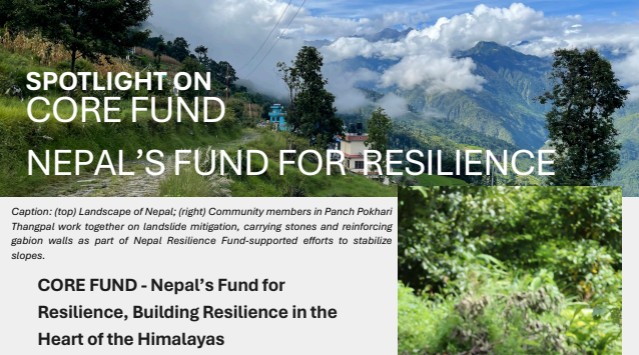
Over time, the Nepal Localization Lab has strengthened locally led humanitarian action through practical initiatives and evidence-based results. The successful establishment of the CORE Fund marks a shift toward demand-driven, locally managed financing, demonstrating that local actors can effectively manage the resources to address community priorities. Through the CORE Fund, prototype projects in Mahottari (fire preparedness) and Panchpokhari (landslide risk mitigation) showcased the effectiveness of locally led resilience approaches, reinforcing the leadership of local organizations in building community resilience.
In addition, through collective policy advocacy, the Kathmandu Covenant 2025 and a joint NGO-INGO declaration brought together over 100 organizations including Oxfam, Save the Children, and Plan International that committed to supporting rather than leading local actors. More than 200 additional pledges were later secured at RHPW 2025, further strengthening accountability and advancing the agenda of locally led humanitarian action.
Movement Building
- Collective Policy Advocacy (The Kathmandu Covenant 2025): The Nepal successfully convened nearly 150 organizations and secured commitments from major INGOs to prioritize and advance localisation agenda.
Building Bridges
Describe your lab’s building bridges work.
- Collective Policy Advocacy Platforms: Conducted 3 provincial workshop on DRR localisation and CSO mapping with the aim to facilitate meaningful dialogue on localizing DRRM, identify key challenges and opportunities, and strengthen coordination between civil society organizations (CSOs) and government stakeholders.
- NEAR Nepal Members Review/ Strategizing Meeting
Solutions
- Launch of locally led financial solutions with the establishment Community Resilience Fund (CORE) and prototype projects in Mahottari (fire preparedness) and Panchpokhari (landslide risk mitigation) showcased the effectiveness of locally led resilience approaches, reinforcing the leadership of local organizations in building community resilience.
Learning
- Conducted CORE fund sharing session, lab member shared DRR best practices, experience and showcased their work on marketplace during NHC August 2025
- Convening Kathmandu Covenant session with NEAR team on RHPW 2025.
Lab Member Organizations






Partner Organization


APLL Members