

 Donation
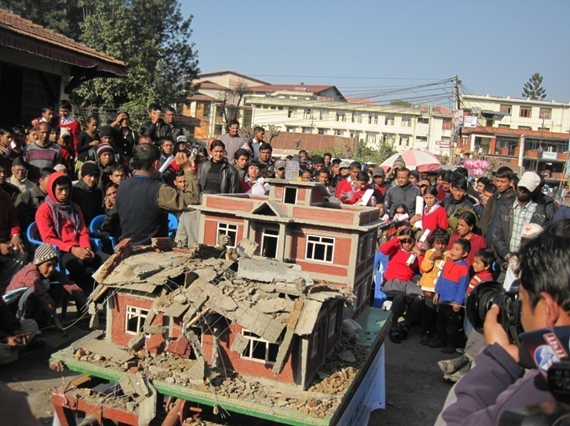
Public Awareness
Awareness raising of communities on earthquake / disaster risks and ways of risk reduction. This includes awareness raising campaigns through Annual Earthquake Safety Day and other events, mass communication through radio, television, display boards and social media. Publication and distribution of public awareness materials.


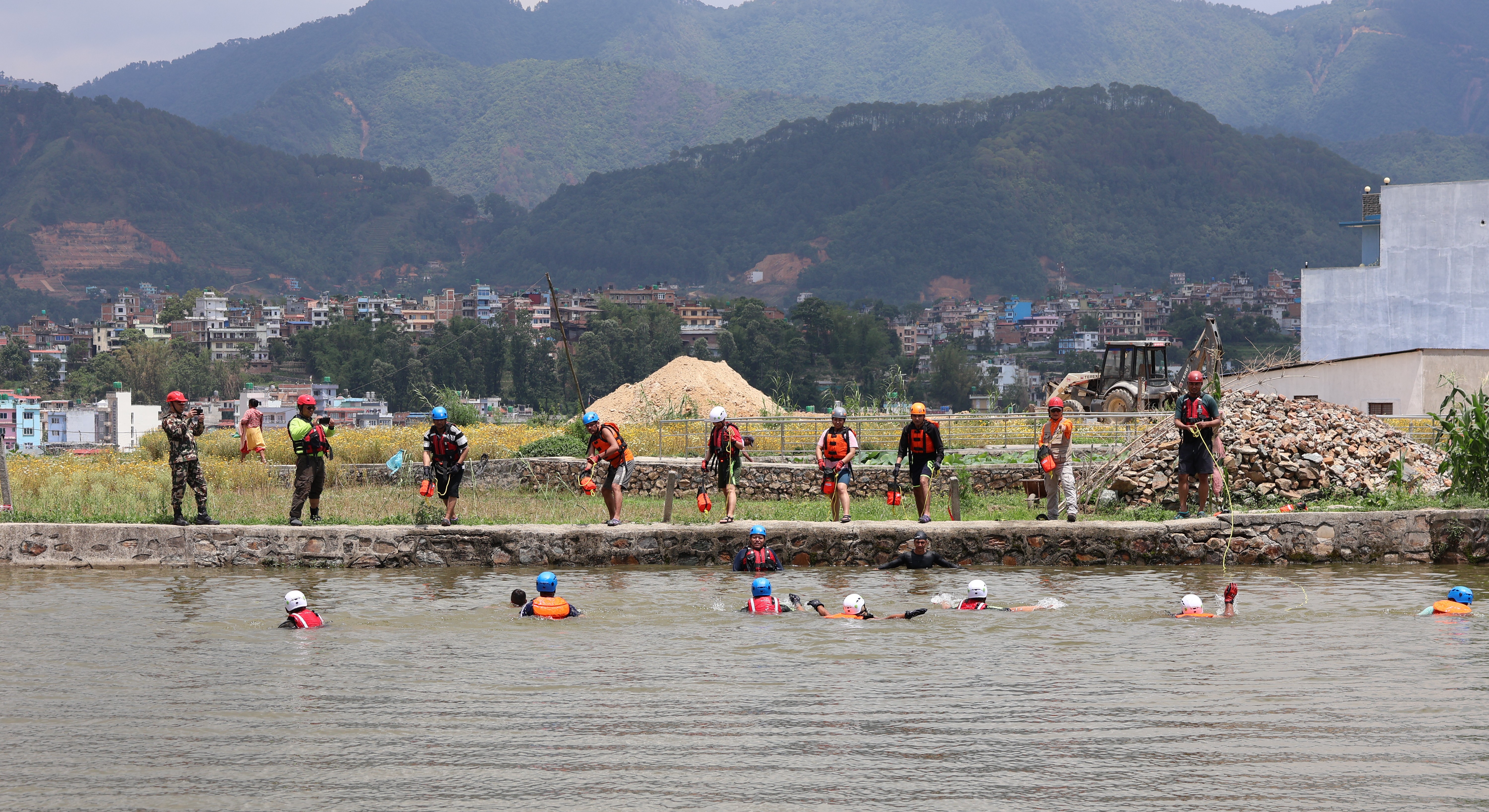
Capacity Building and Training
Develop and implement comprehensive training programs for engineers, masons, government officials, and community members on Disaster Risk Reduction and Management (DRRM). This includes designing tailored capacity-building modules, preparing technical curricula, and producing user-friendly guidelines and manuals that address both structural and non-structural aspects of disaster resilience.
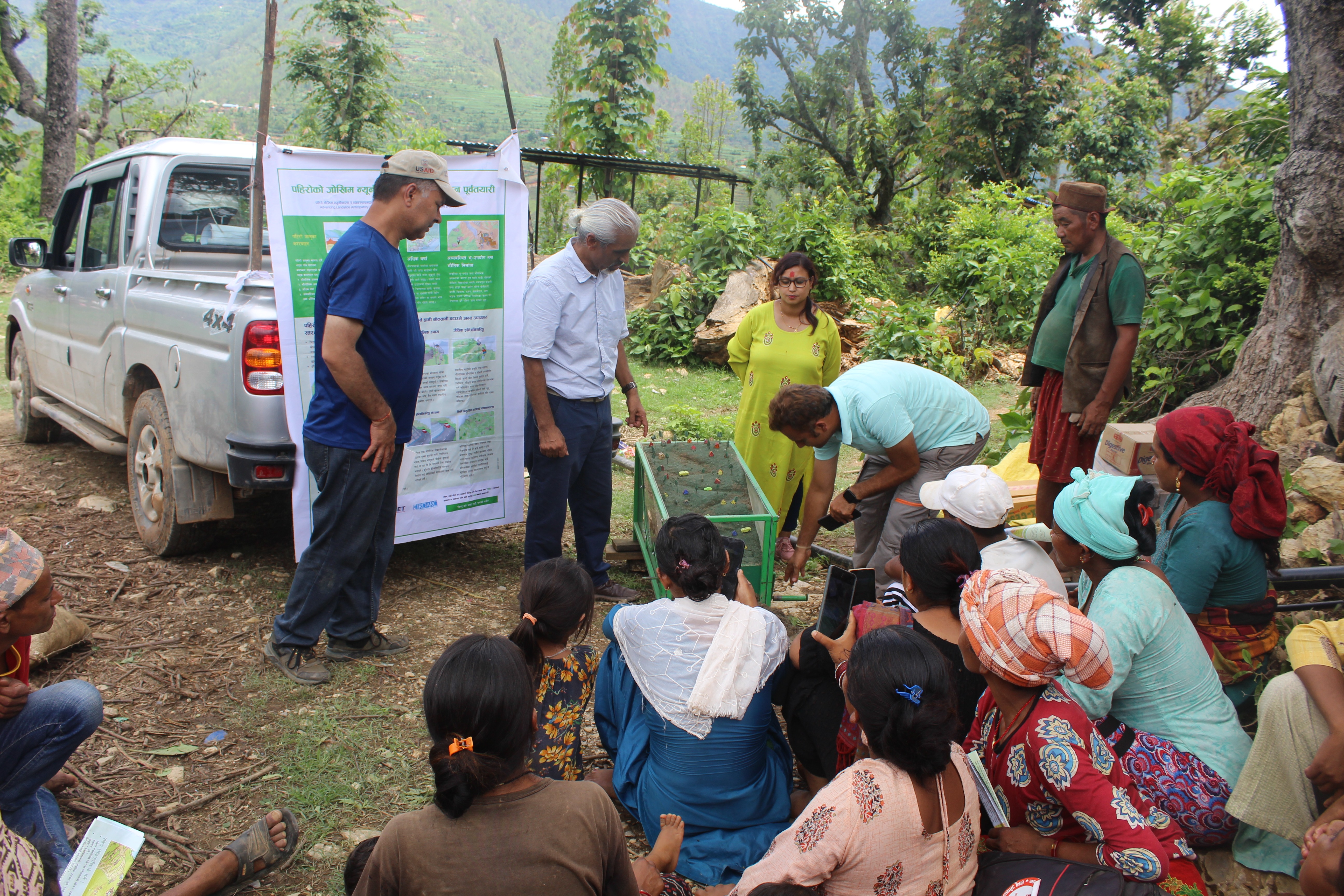
Community Based Disaster Risk Management (CBDRM)
Empower communities to actively engage in disaster risk reduction and preparedness through awareness programs, orientations, and on-site demonstrations. Strengthening local capacity, participation, and ownership of risk reduction measures, fostering a culture of safety and resilience at the community level.
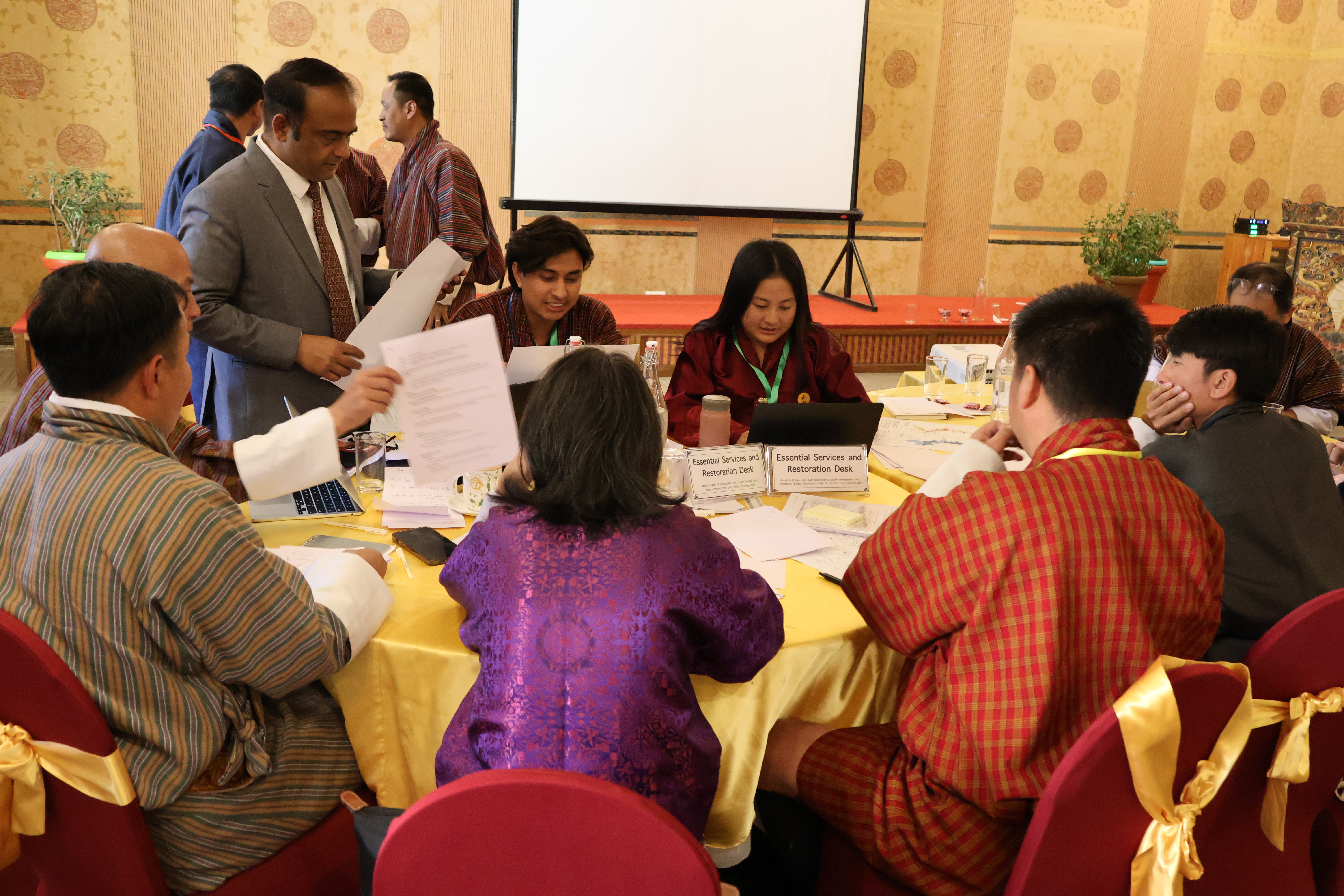
Emergency Preparedness and Planning
Develop, testing, and operationalization of emergency response plans tailored to local levels. Support in designing various capacity building training for emergency response, simulation and drills including tabletop exercises and full-scale simulation drills at both local and national levels as well as regional levels. Support for the readiness of various levels of governments for effective disaster response.
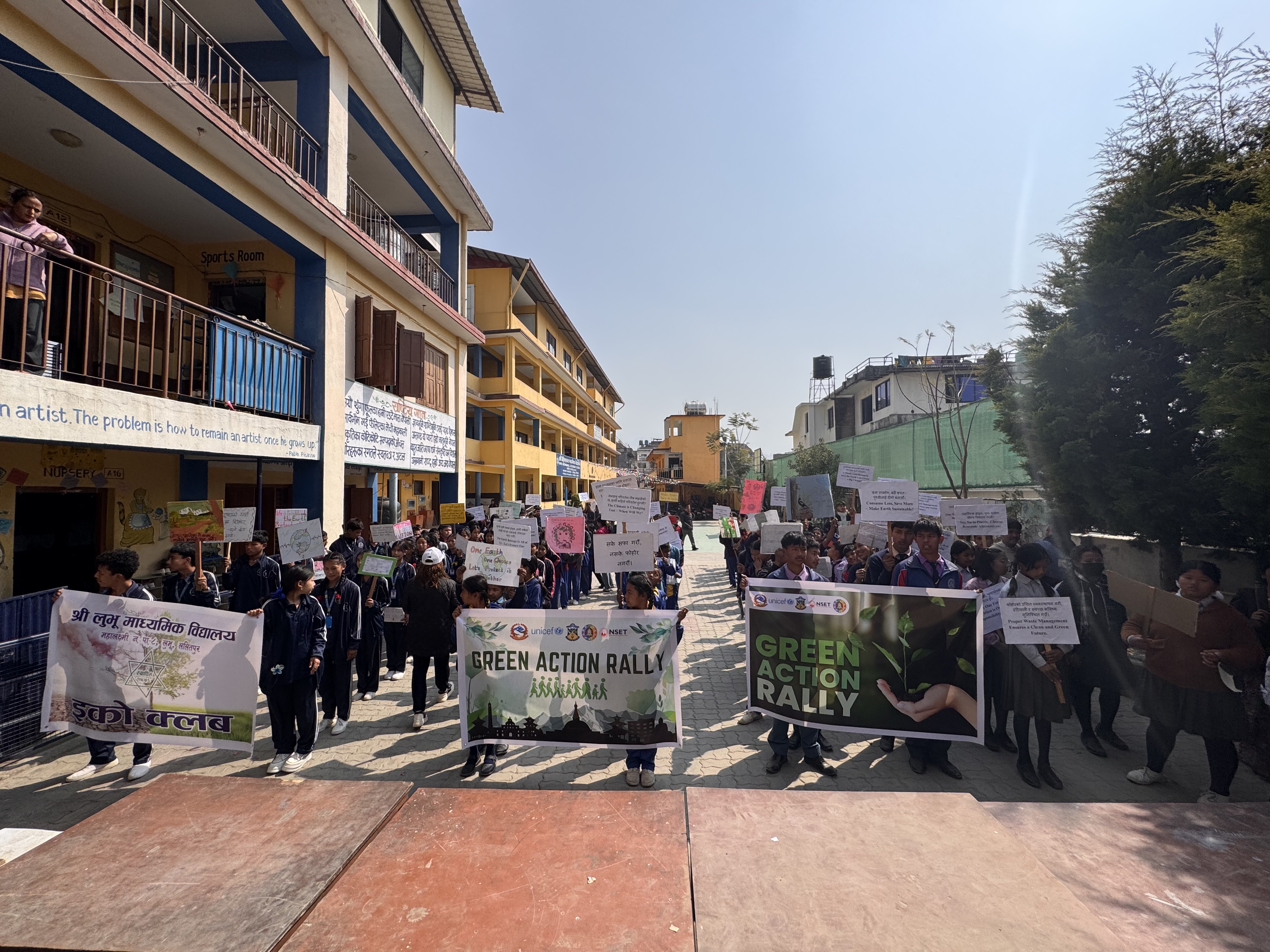
Comprehensive School Safety, Green and Resilient Schools
Strengthening school resilience by promoting earthquake-resistant construction, retrofitting vulnerable buildings; prepare and implement school level disaster risk reduction and preparedness plans. Integrate disaster risk reduction with climate change adaptation through “green school” practices, enhancing environmental sustainability. Capacity building of teachers, students, and local stakeholders through drills, training, and awareness campaigns, fostering a culture of preparedness and environmental stewardship within school communities.
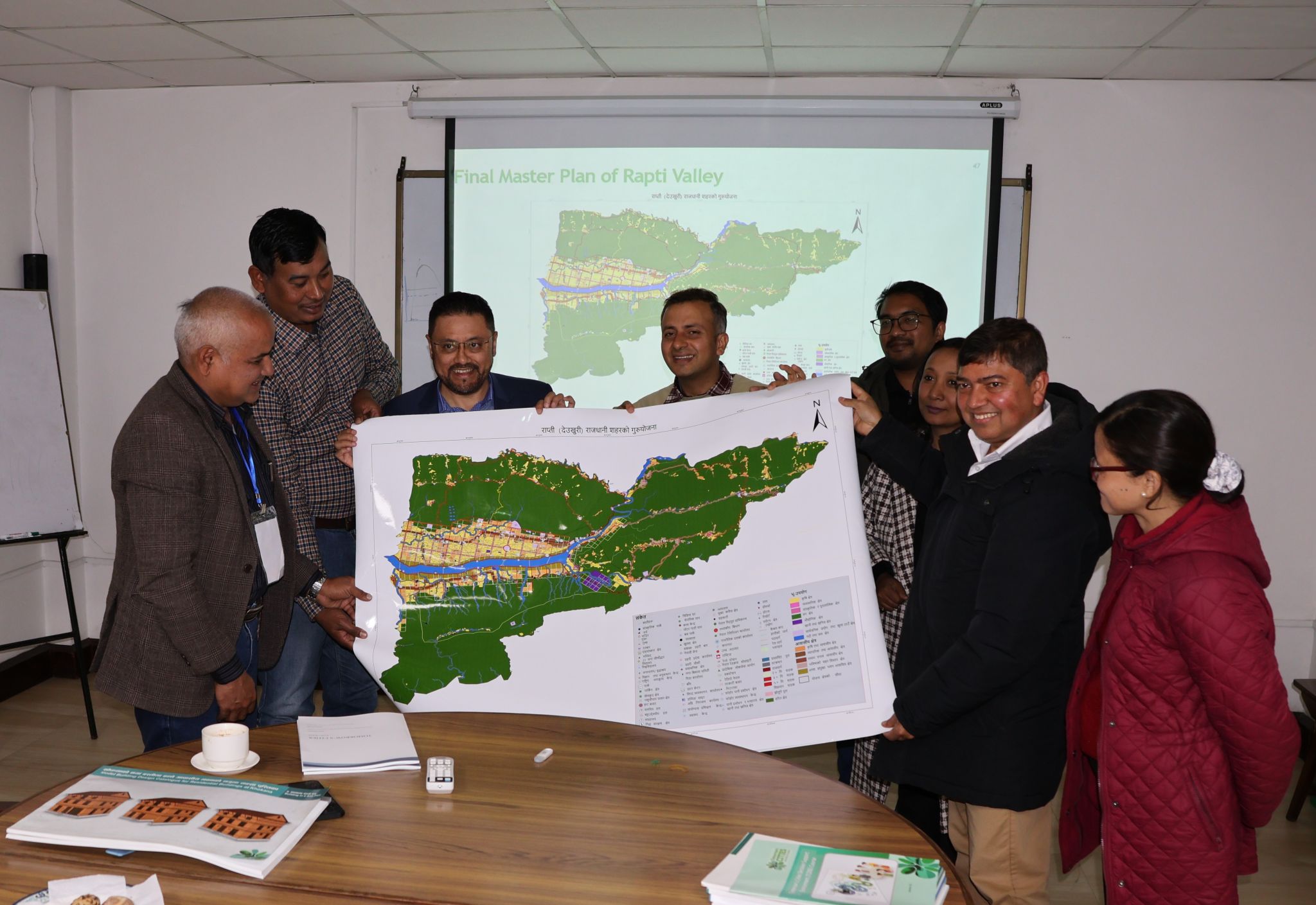
Support for Building Code Implementation and Policy/Planning for Urban Resilience
Technical support to implement building code in municipalities to enhance earthquake resilience by institutionalizing safer construction practices, training masons and engineers in earthquake-resistant techniques, and strengthening municipal building permit systems. Support to increase code compliance, transform municipal perceptions, influence policy changes, and nurture local “champions” to drive and sustain safer construction practices. Technical support for risk-sensitive land use planning, This support also include in drafting building bylaws and formulating disaster risk reduction (DRR) plans, policies to strengthen resilience at local, provincial and national levels.
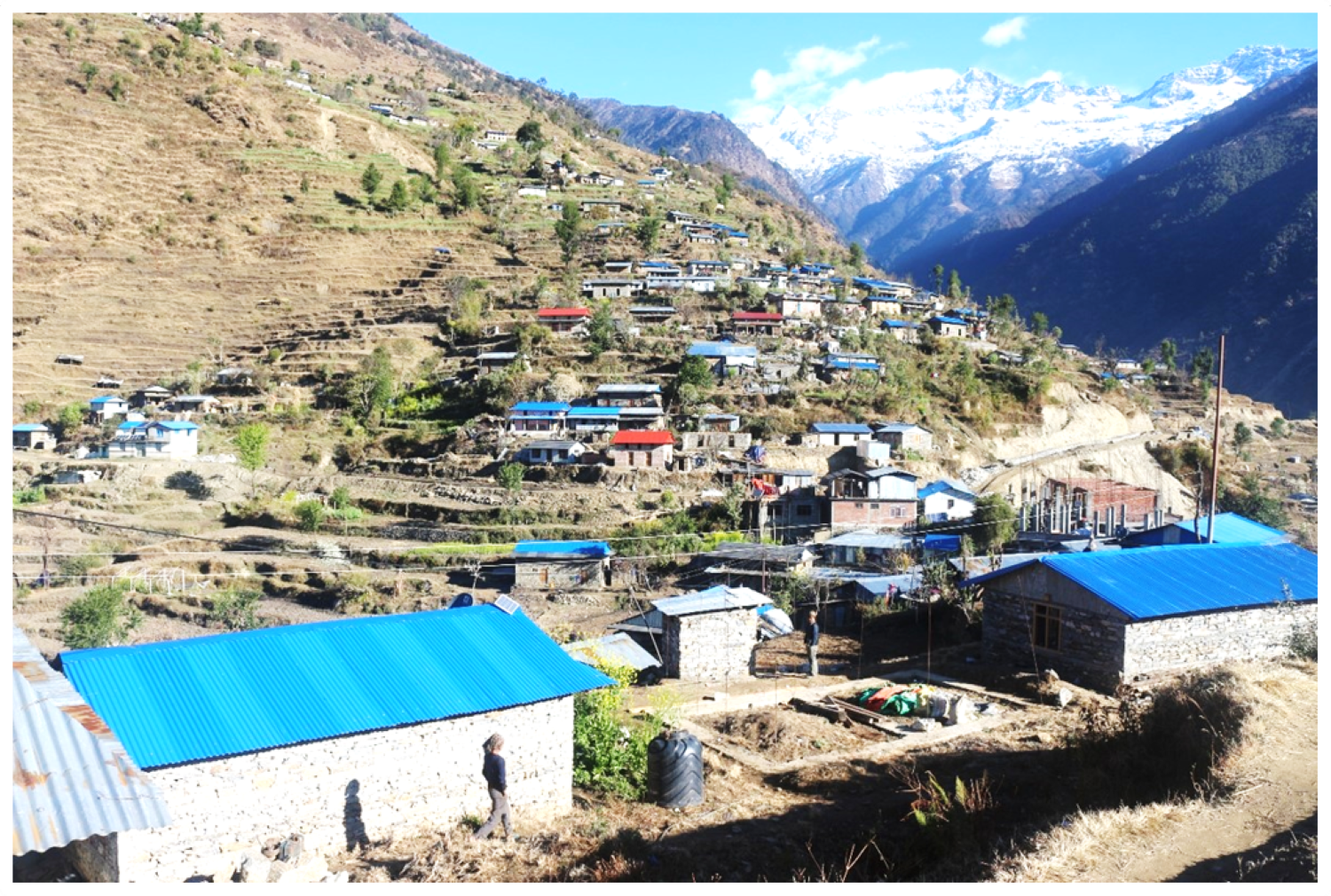
Support for Recovery and Reconstruction
Support for post-disaster recovery and reconstruction included damage assessments of buildings and infrastructure, along with technical assistance for recovery planning in collaboration with government and local authorities. Socio-technical support to ensure reconstruction is both technically sound and socially inclusive, through mason and engineer trainings, on-site guidance, awareness campaigns, and door-to-door outreach. These efforts, combined with support in policy and plan formulation, contributes to building back safer, promoting resilient housing, and strengthening local capacity for future preparedness.
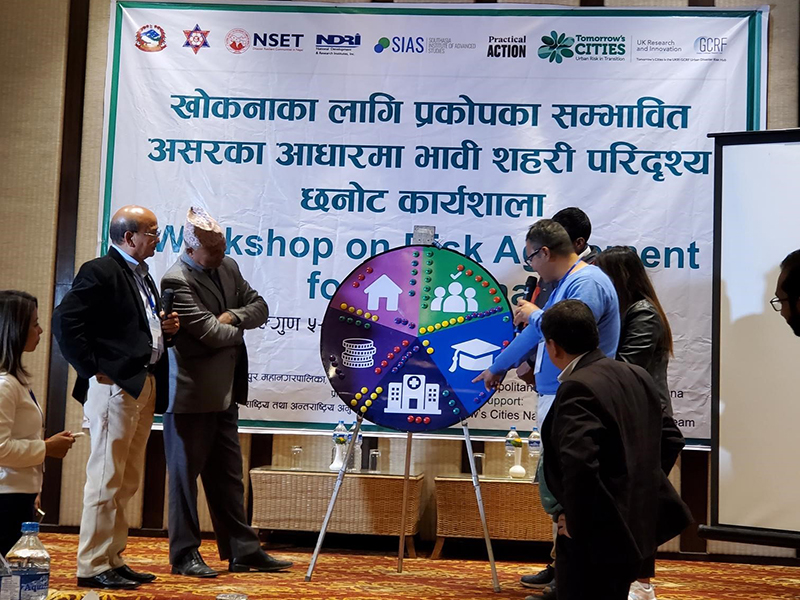
Multi-Hazard Risk Assessment
Conduct comprehensive assessments of vulnerabilities and impacts on communities and infrastructure, supporting disaster visualization, preparedness, and decision-making. Engages in mitigation planning for earthquakes, landslides, floods, and other hazards, integrating scientific analysis with community-based approaches to ensure practical, evidence-based, and locally aligned risk reduction strategies.
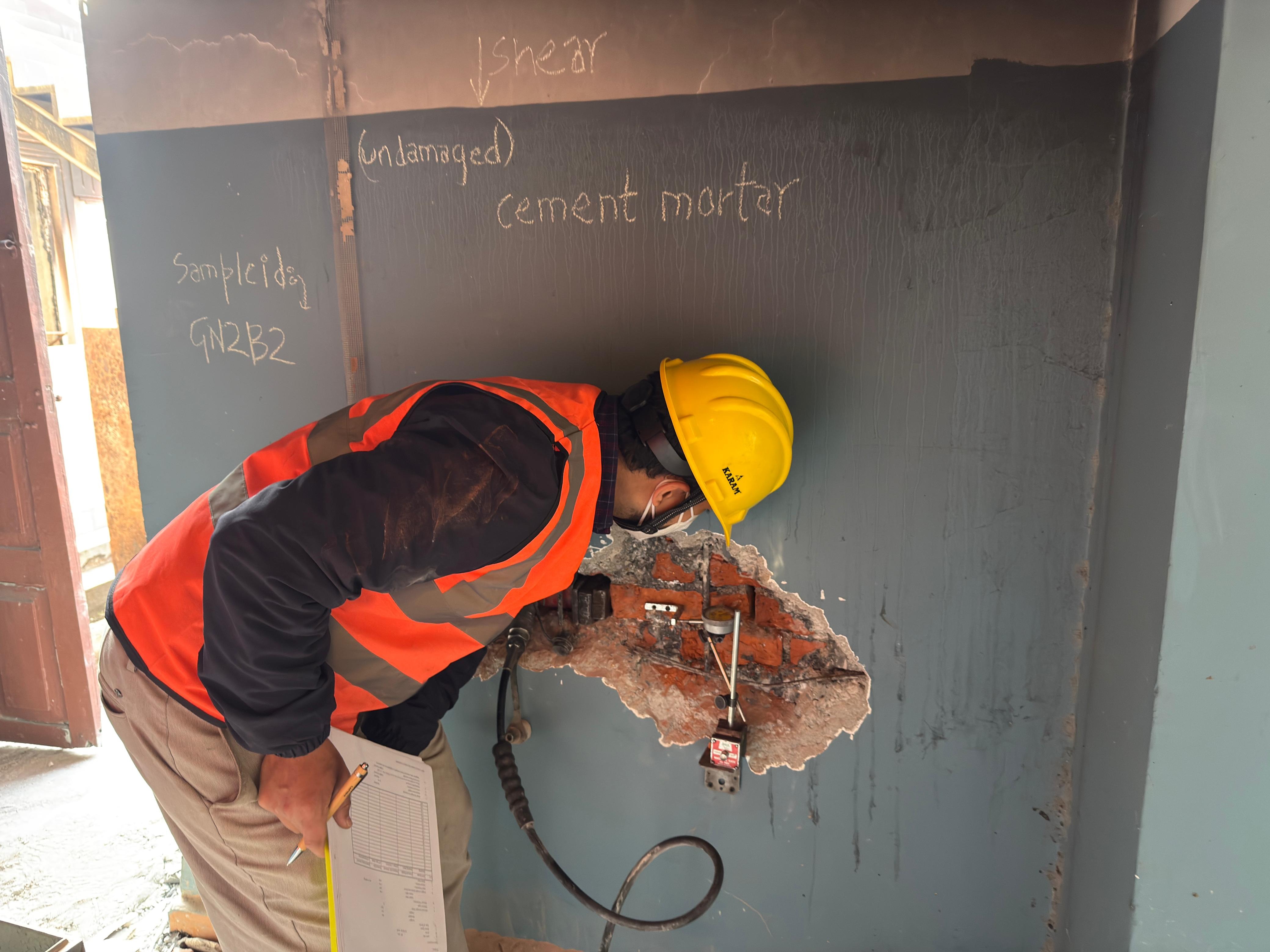
Vulnerability Assessment and Strengthening of Structures
Seismic and disaster vulnerability assessment of private and public buildings, critical facilities and infrastructure. Design and implementation of earthquake-resistant and climate-friendly structures. This includes detailed seismic vulnerability assessments, undertaking retrofitting works, providing technical supervision for strengthening of public, community and private buildings for their safety and resilience
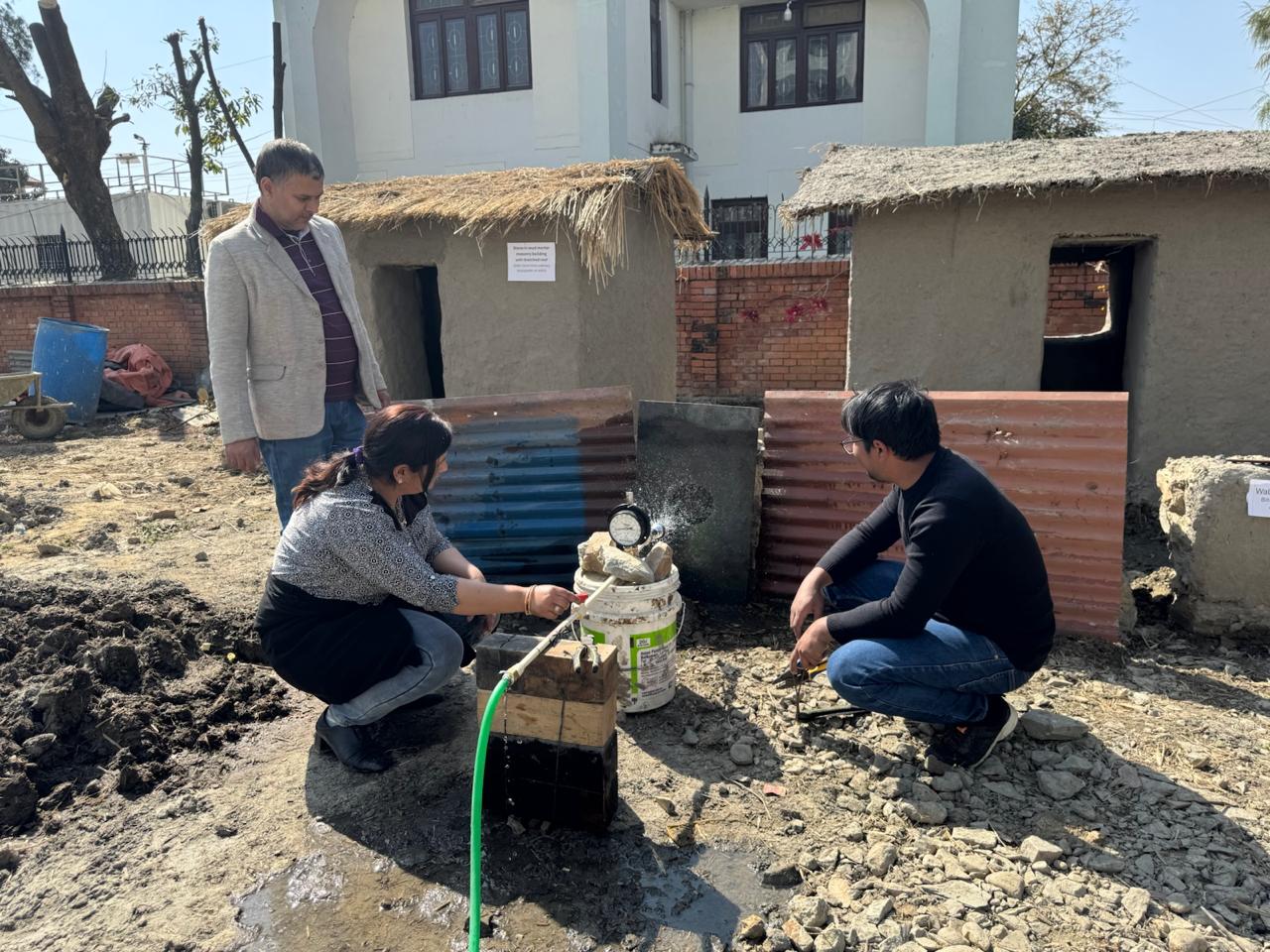
Research and Innovation
Conduct research and innovation to strengthen DRR knowledge, methodologies, and technologies. Collaborate with academia, research institutions, and practitioners to develop evidence-based tools, models, and guidelines. Focus areas include multi-hazard risk assessment, resilient infrastructure design, community-based risk reduction approaches, and integration of climate change adaptation into DRR.
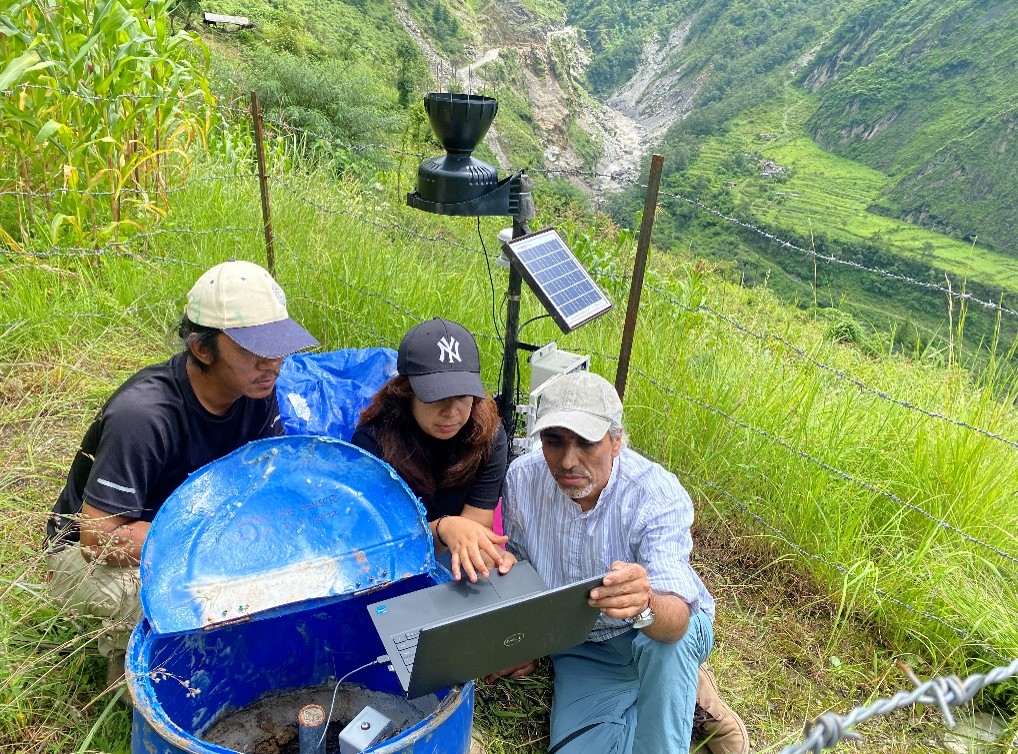
Early Warning Systems (EWS)
Design, development, and pilot the multi-hazard Early Warning Systems (EWS) to enhance preparedness and reduce disaster impacts. This includes hazard monitoring, forecasting, risk communication, warning dissemination, community preparedness, and response planning. Support governments and communities in establishing people-centered EWS on landslides and floods for forecast-based preparedness approaches, strengthening institutional coordination, and promoting timely action to protect lives, livelihoods, and critical assets from floods, landslides, and climate-induced hazards.
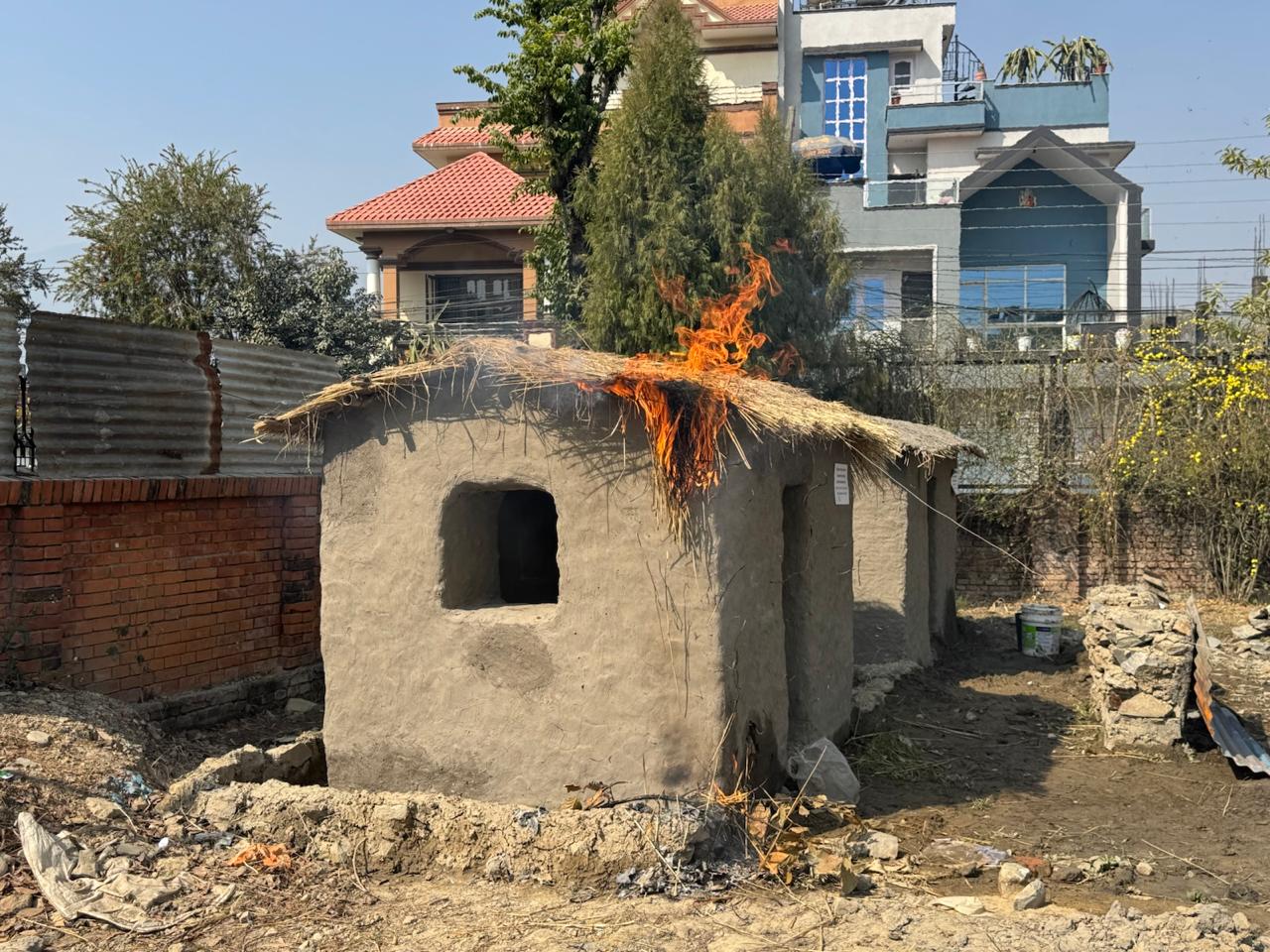
Climate Change Adaptation (CCA) & Nature-based Solutions (NbS)
Advancing climate resilience through research, innovation, and the promotion of sustainable housing technologies by utilizing locally available and environmentally friendly construction materials, such as mud and Compressed Stabilized Earth Blocks (CSEB). NSET promotes Nature-based Solutions (NbS) to address climate risks, enhance ecosystem resilience, support low-carbon and resource-efficient construction, and strengthen the adaptive capacity of communities to climate change.