
 Donation
Core Ideologies and Approach
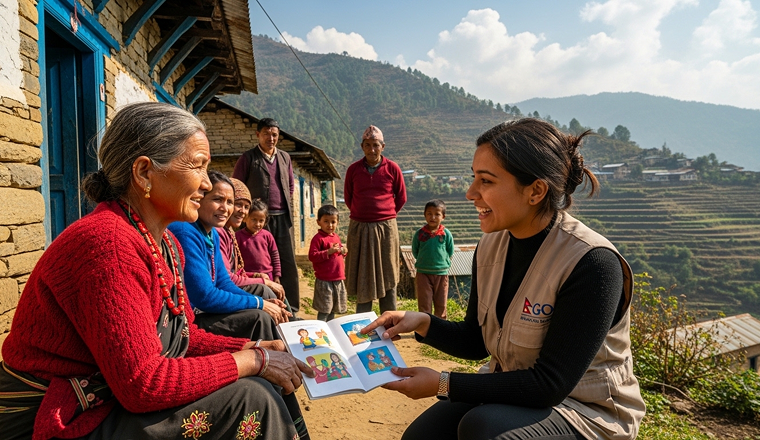
Our communities, its entities and people therein are ‘WHYs’ for all our ‘WHATs’, ‘WHEREs’, ‘WHENs’ and ‘HOWs’. We exist for them. Our thoughts and behaviors carry deep compassion for BoP (Bottom of the Pyramid) communities.
We believe in appropriating local and transferable indigenous knowledge, approaches, technologies, systems and practices mastered over the centuries into scientific application of knowledge and technologies validated in modern times.
Our practices are honest, integral, ethical, transparent, disciplined and socially responsible. We are accountable for our actions which shall always put economic and financial discipline at the core.
We believe in optimal balance between ‘use/ mobilization of the known’ and ‘exploration of the unknown’. We shall use/ mobilize what we’ve known through years of validated experience and also seek to continually improve and institutionalize it. At the same time, we shall always strive for exploration of the better technologies, methods and approaches. We shall always stand ready to learn, but validation of each of such learning shall be Outcome and Impact based. ‘Means’ and ‘Ends’ are equally important for us. We believe in doing ‘right’ things, at the ‘right’ time, for the ‘right’ cause through ‘right’ ways. For us, efficiency without effectiveness is a fruit without juice.
We believe access to every technology; no matter how advanced, modern and scientific they are should be equitably and democratically accessible across every stratum of the communities. Inclusion of all stratums of stakeholders, through collaboration is indispensable ingredient for successful accomplishment of our mission. Collaborative, participatory and democratic co-existence and decision making methods is what we believe in. We respect people, their opinions, relationships, individual differences, diversity and resources.

Our identity, methods, approaches and operations will be strictly apolitical.

We respect and strictly adhere to the rules, regulations and law of the land.
Contribution Global Frameworks
Our initiatives align across the seven targets of the Sendai Framework for Disaster Risk Reduction (SFDRR). They contribute directly to various global Sustainable Development Goals (SDG) to SDG 1 (No Poverty); SDG 4 (Quality Education); SDG 5 (Gender Equality); SDG 6 (Clean Water and Sanitation); SDG 11 (Sustainable Cities and Communities); and SDG 13 (Climate Action).
In addition, we elevate community voices and advance locally led adaptation efforts, contributing to the objectives of the Paris Agreement by strengthening resilience and supporting climate adaptation at the grassroots level.
Contribution to National Plans and Policies
Our initiatives support and aligns with Nepal’s key frameworks, including the National Disaster Risk Reduction Policy and Strategic Action Plan (2018–2030), the National Disaster Risk Reduction and Management Act (2017), and Comprehensive School Safety Minimum Package (CSSMP) by promoting disaster risk reduction, resilient infrastructure, community preparedness and comprehensive school safety.
It also aligns with the 16th Periodic Plan (Fiscal year 2024/25-2028/29), contributing to sustainable and resilient urbanization, biodiversity and climate action, governance reforms, and gender equality and social inclusion, thereby strengthening national development priorities and building safer, inclusive, and climate-resilient communities.